A Night of Oden in Tokyo
Start with daikon. Then try something whose name catches your eye. At an Asakusa institution, a small Oshiage izakaya, or a Shiodome spot that also serves sushi, here is how to order oden.
At the Pot, You Can Decide Dinner as You Go
As you walk along the Sumida River in the evening, you start craving something warm. You stop to open a map, but you have no particular kind of food in mind. That is when oden comes in handy. Start with daikon, then choose another item after you have looked at the menu. Dinner can begin without deciding on the whole meal upfront.
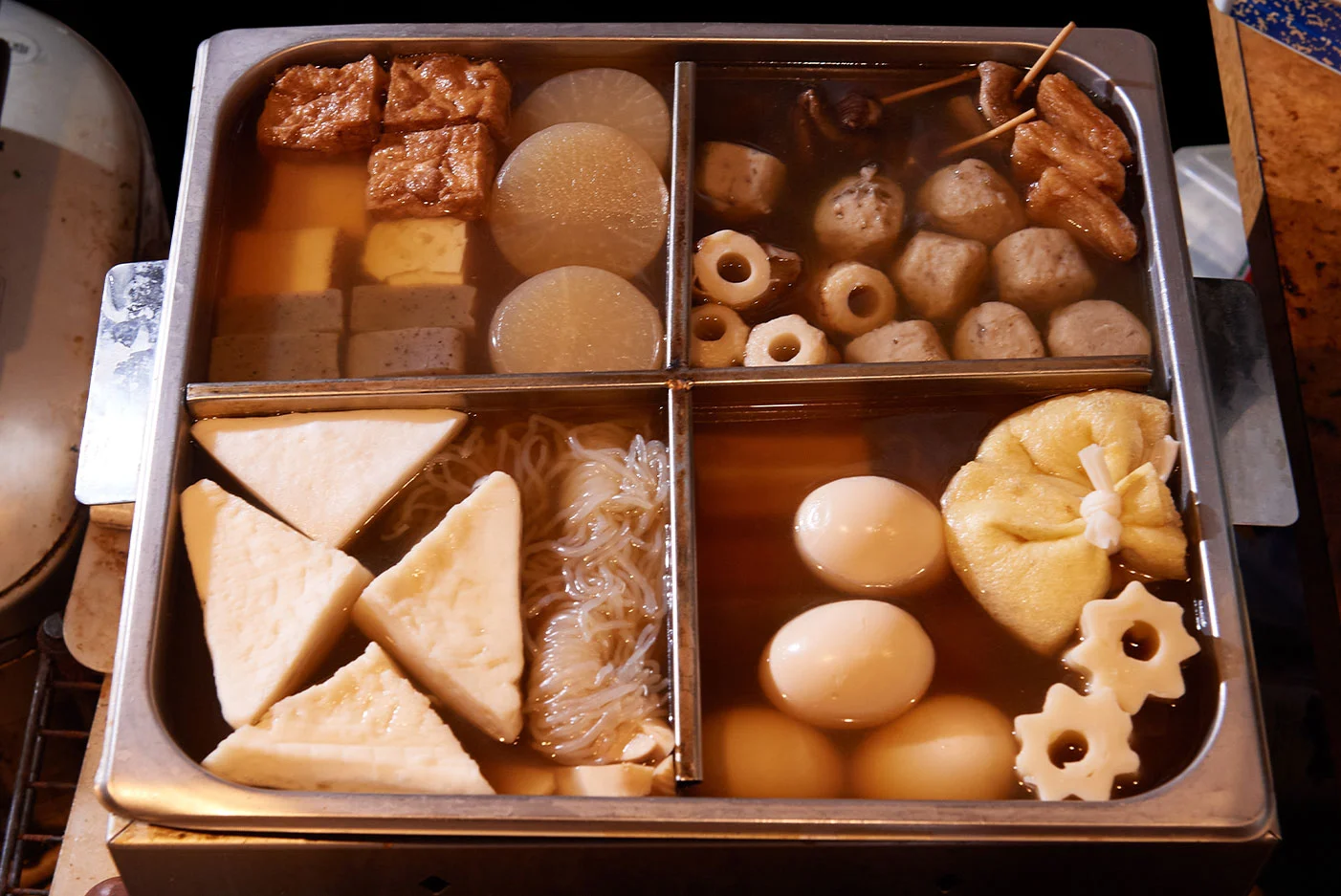
Oden is a dish of assorted ingredients, such as daikon, fish cakes and konjac, simmered in dashi. Some restaurants write the ingredients as tane, meaning “items.” The Ministry of Agriculture, Forestry and Fisheries gives an example of Tokyo-style oden made with bonito-flake and kelp dashi, seasoned with soy sauce and other ingredients. Oden in Tokyo also comes in Kansai style in Oshiage and with flying-fish dashi in Shiodome. Let the regional names point you in a direction, then enjoy choosing by looking at the pot in front of you.
The three places here are options for three different kinds of dinner. If you have been exploring Asakusa, head to Senzoku. After a visit to Tokyo Skytree, try Oshiage. If you are around Shinbashi, Shiodome is a place to consider sushi after oden, too. The ingredients vary from one restaurant to another, so if there is something in particular you want to eat, check the restaurant's information before setting out.
What to Order After Daikon
When in doubt, choose one familiar item and one with a different texture. Knowing a few names makes it easier to order, even on your first oden outing.
- Daikon大根
- Daikon is a good first choice when you want to taste the dashi. Asakusa Oden Otafuku says it takes around 3 days for the radish to absorb the flavor. Try something with more bite alongside the tender daikon and you can taste two textures from the same pot.
- Chikuwabuちくわぶ
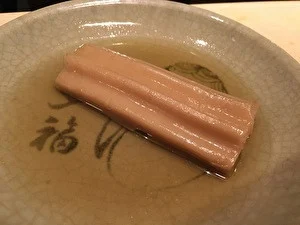
- Tube-shaped like chikuwa, but made with wheat. It is not the same as chikuwa, which is made from fish paste. Otafuku's menu lists both chikuwa and chikuwabu. Pointing to the name on the menu can help distinguish these similar-sounding items when ordering.
- Hanpenはんぺん
- A fluffy fish-paste cake. It appears in one example of an assortment listed by Oshiage's ZO. If you want to add something soft, try it alongside daikon or springy konjac for a contrast in texture.
- Mochi Kinchakuもち巾着
- A pouch of fried tofu filled with mochi. The name also appears on ZO's oden menu. A plain kinchaku can have different fillings from one restaurant to another, so ask what is inside if you are curious.
Dashi and ingredients differ by restaurant. If you choose daikon or tofu but need to avoid fish stock, ask the restaurant about the broth in the pot as well.
Daikon and Chikuwabu in Asakusa
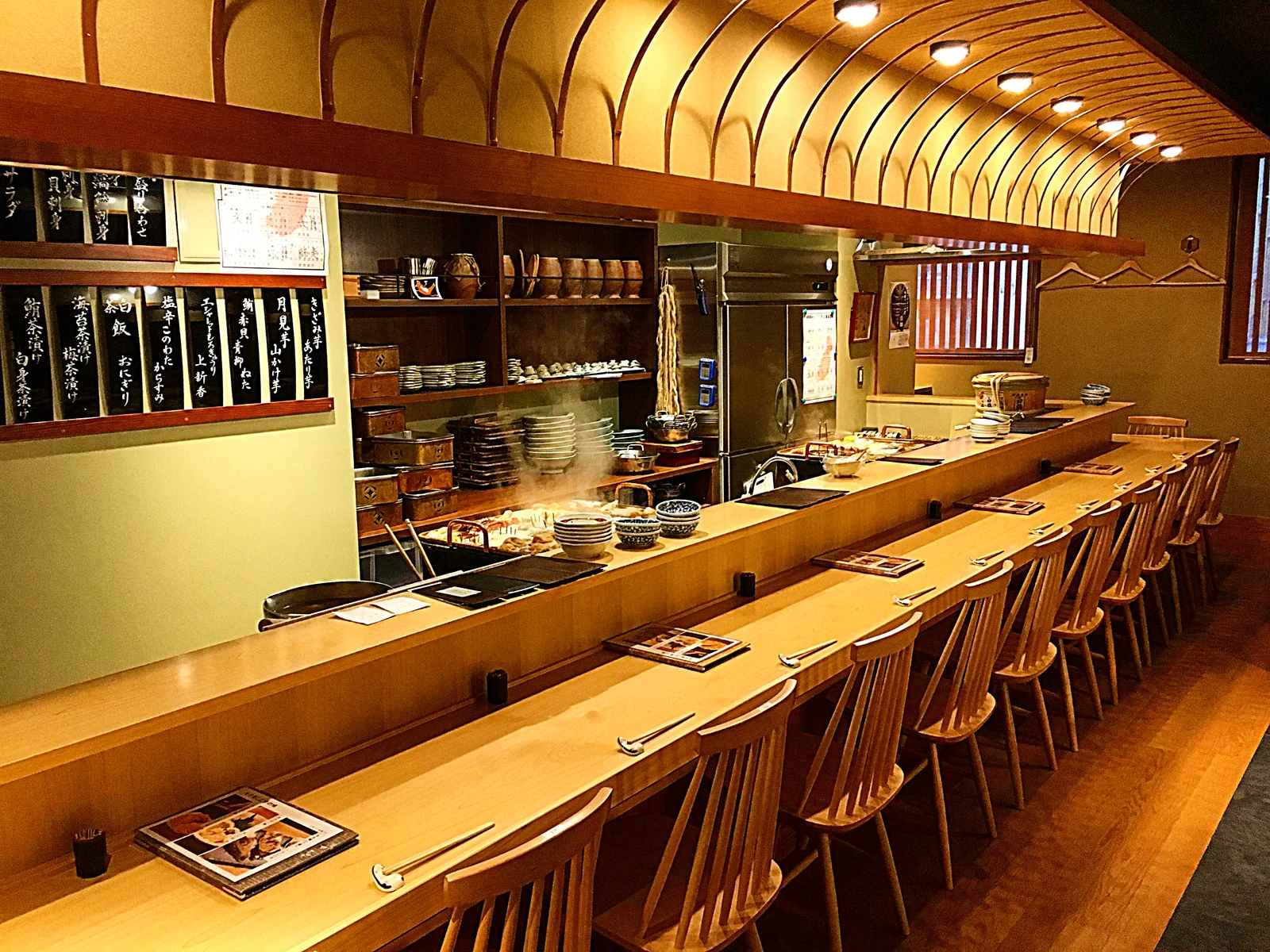
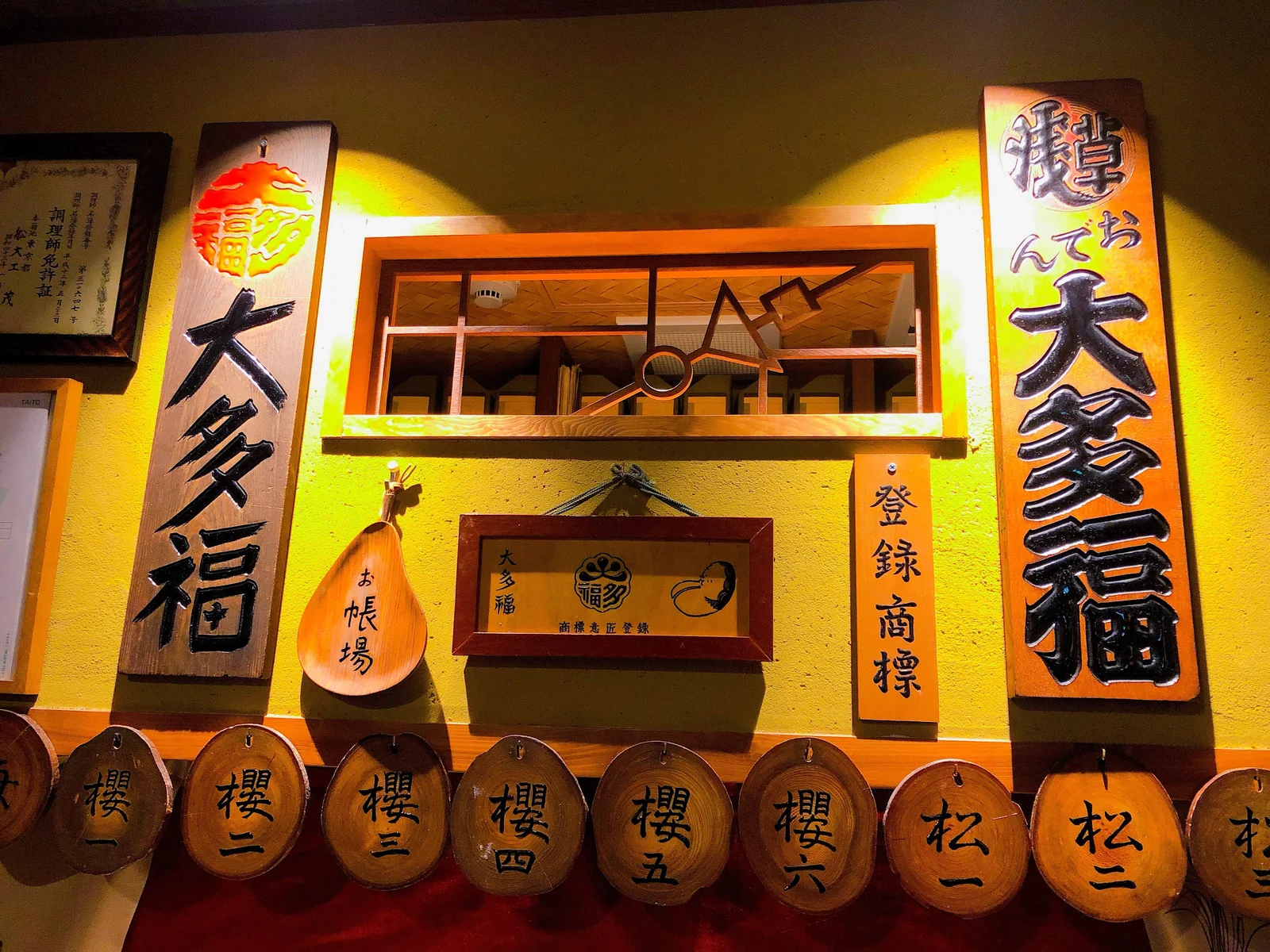
Asakusa Oden Otafuku is at Senzoku 1-6-2, a short walk north of the grounds of Senso-ji Temple. According to the restaurant's own history, it moved from Osaka's Sennichimae to Asakusa in 1915 (Taisho 4). Photos of the current restaurant can be found in the official album of its Senzoku location, covering October 2019 onward. Photos of the former restaurant are shown separately, so use the current address when arranging to meet.
If you are ordering individual items, start with daikon and chikuwabu, both described in detail on the menu. Even a single piece of daikon can make a different impression depending on whether you start at the middle or eat an end with some broth. If you expect chikuwabu to be a fish cake, the first bite will be a surprise. Once you know the names, look for burdock-root rolls or egg on the menu, too.
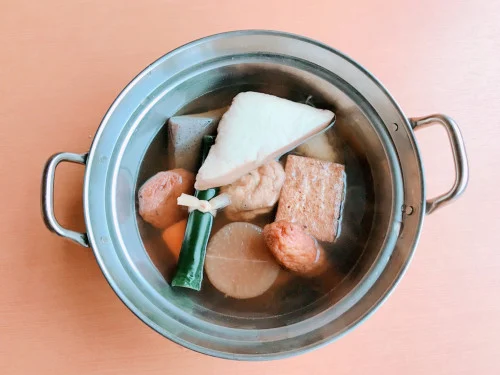
If you would rather let the restaurant choose and share a pot at the table, take a look at the oden assortment on the reservation page. It is ¥2,750 per person, tax included, with around 6–8 pieces as a guide. It is served in a dedicated tabletop pot that keeps the oden warm as you eat, and includes oden only, with no other dishes. The ¥500 seating charge is separate. Since there are distinct options, read carefully to distinguish a course, an oden assortment, and a seat-only reservation.
The official restaurant information lists menus in English, Korean and Chinese. It also lists Asakusa Station on the Tsukuba Express, Tawaramachi Station on the Ginza Line, and Iriya Station on the Hibiya Line. Since there is more than one station called Asakusa, checking the line as well can make meeting up easier. For winter opening days, check the homepage announcements for closures and special events in addition to the usual restaurant information.
Look into the Pot at a Small Oshiage Izakaya
After an evening at Tokyo Skytree or Solamachi, consider ZO (ゾウ), a Japanese izakaya in Oshiage. Its address is Menar Sumida 102, 4-7-5 Narihira, Sumida City. The restaurant says it is a 2-minute walk from Oshiage Station's B1 exit and has 14 seats in total at the counter and tables. Checking availability and your reservation ahead of time can save you from having to wander around after you arrive.
The restaurant describes its oden as Kansai-style, made with bonito-flake dashi. Its chef's selection assortment is listed as 9 pieces for ¥990, tax included. The photos and list of daikon, egg, hanpen, house-made atsuage, mochi kinchaku and other items show an example from a particular day. The official site says you can ask the restaurant about the items you like. There is a separate ¥500 cover charge. Decide what you want to eat, then consider the dish price along with the charge for the seat.
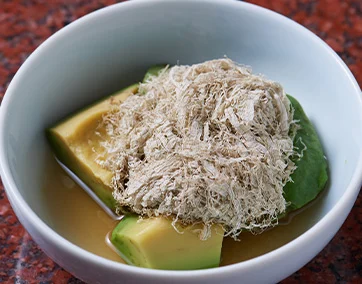
If you want to add something beyond the classics, the avocado featured in the restaurant's official oden introduction may catch your eye. Start with daikon or egg, then order something a little different. Thinking about what to add after the assortment arrives can help you gauge how much is right for the evening. The selection changes with the season and what is available, so check with the restaurant whether the combination in the photo can be ordered as shown.
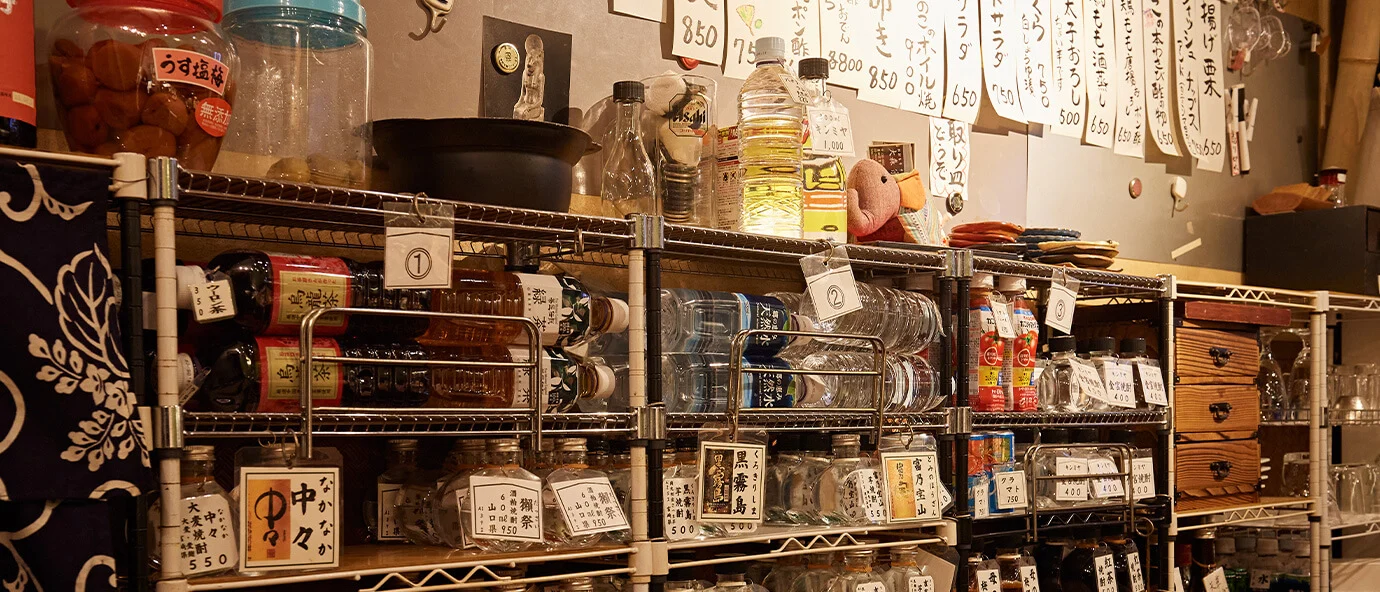
Most drinks here are self-service. According to the official site, you can choose from shelves or the refrigerator, check the price tags, and the drinks are counted at checkout. If it is your first visit, ask where to find the drinks you want. The restaurant also says it serves cold oden in summer and warm oden in winter. If you are hoping for a warm pot in the colder months, check the latest menu before you go.
In Shiodome, Add Sushi After Oden
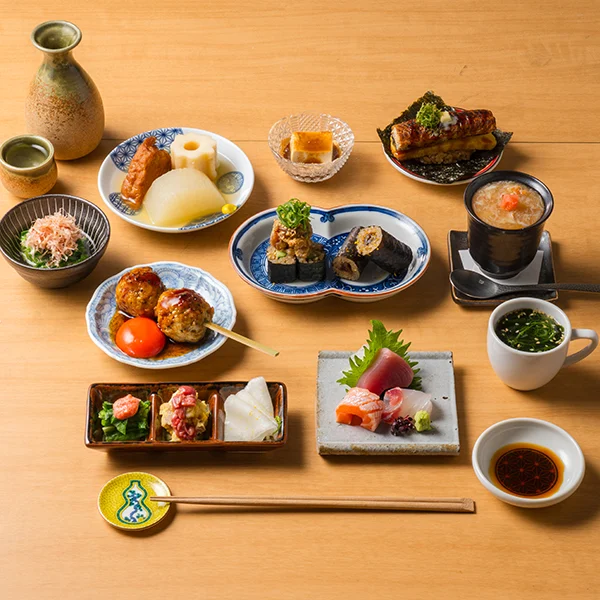
Still deciding whether to stick to oden or finish with something more substantial? Sushi to Oden Ninoya Shinbashi Shiodome is one option. It is at 1F Belle Shiodome, 1-2-14 Higashi-Shinbashi, Minato City. Although Shinbashi is in the name, the location is on the Shiodome side. To avoid confusing it with another branch in the same group, open the map and official menu for Shinbashi Shiodome.
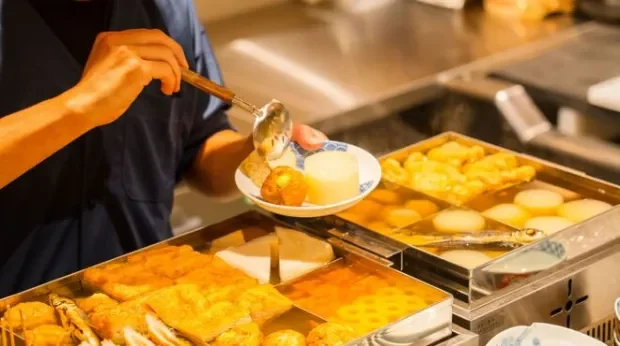
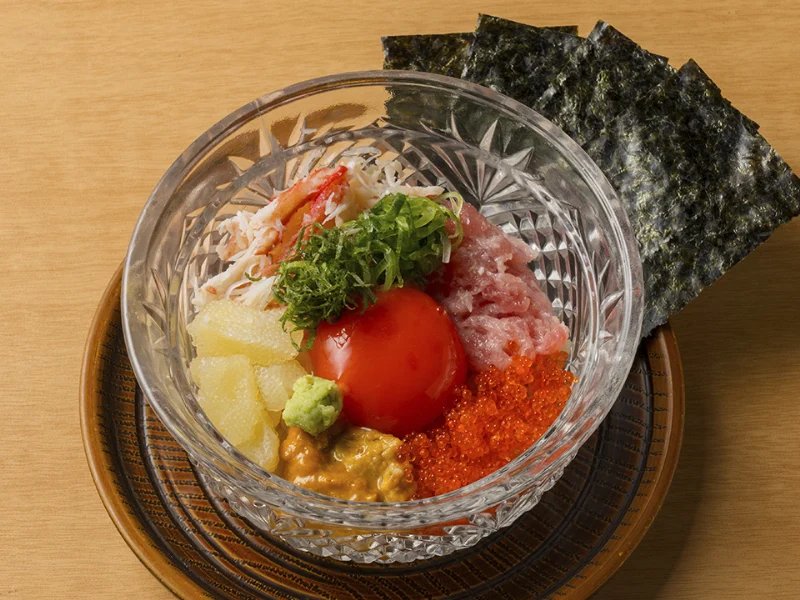
The oden here is made with ago-dashi, a stock made from flying fish, according to the official menu. The restaurant uses handmade oden ingredients and seasonal produce, and you can check the day's menu for what is in the pot. The sushi selection includes Ninoya-maki and seared cured mackerel (aburi shimesaba). Starting with oden and moving on to sushi if something appeals is an easy way to pace your meal.
The regular hours shown on the official page are Monday–Friday 16:00–23:00 and Saturday, Sunday and Japanese public holidays 15:00–23:00. Before rushing because of the closing time, check until what time you can place orders that day. Photos on the official menu show representative dishes. Seasonal plates and sushi may not always match the photos, so do not assume they will.
Order Individual Items or Share a Pot
If you already know which items you want, first check whether they are available individually. For two people, it can be easy to order by naming one thing each, then choosing the rest together. If you want to know what the restaurant is known for, another option is to start with an assortment and order individual portions of your favorites afterward.
Even when both are called assortments, Otafuku in Asakusa offers a tabletop pot with around 6–8 pieces per person through its reservation page, while Oshiage's ZO lists a 9-piece chef's selection. Do not assume the number alone makes an assortment enough for two; ask the restaurant about portion size and sharing. If the restaurant charges a seating or cover charge separately from the food, factor it in alongside drinks and any extra dishes.
If you see the word otoshi, read the restaurant's explanation of the small dish served at the start. Whether it is included in a seating charge or billed separately depends on the restaurant. For example, Ninoya Shinbashi Shiodome describes choosing an otoshi to suit your mood that day. If you cannot find the price, it is fine to ask before ordering. You do not need to memorize every dish name and charge before you go.
Useful Japanese for ordering
- 大根とちくわぶを一つずつお願いします。
- “One piece each of daikon and chikuwabu, please.” When you want to choose two items individually. Pointing to their names on the menu can help you get your order across.
- 盛り合わせには何が入りますか。
- “What comes in the assortment?” When you want to know what is in the chef's selection. If there is an ingredient you cannot eat, mention it then.
- 席料やお通し代はかかりますか。
- “Is there a seating charge or a charge for the opening dish?” When you want to ask about charges separate from the food. Hear the restaurant's explanation before deciding how much to order.
Choose by Where You Are Tonight
Asakusa Oden Otafuku
1-6-2 Senzoku, Taito City
From Asakusa to Senzoku. For a day when you want daikon and chikuwabu, or to share a tabletop pot.
Otafuku's restaurant pageJapanese Izakaya ZO (ゾウ)
4-7-5 Narihira, Sumida City, Menar Sumida 102
By Oshiage Station's B1 exit. A small izakaya with Kansai-style oden and drinks you can choose from the shelves.
ZO's restaurant pageSushi to Oden Ninoya Shinbashi Shiodome
1F Belle Shiodome, 1-2-14 Higashi-Shinbashi, Minato City
On the Shiodome side of Shinbashi Station. For a night of ago-dashi oden and a little sushi, too.
Shinbashi Shiodome's restaurant page

There is the daikon you always order, and beside it an ingredient whose name you have not learned yet. When the first dish arrives, set the menu aside for a moment. You can decide what to order next after a sip of the broth.
Official sources
Restaurant and menu information was checked on November 11, 2026. Photos are official materials from each restaurant; their dates were not confirmed. Check each restaurant's information before visiting for any changes to hours or menus.
- Ministry of Agriculture, Forestry and Fisheries: Oden as a regional dish of Tokyo
- Ministry of Agriculture, Forestry and Fisheries: Regional differences and ingredients in oden
- Otafuku: Current location, seating charge and menu languages
- Otafuku: Oden ingredients, including daikon
- Otafuku: Ingredients and shape of chikuwabu
- Otafuku: Reservation terms for assortments, seat-only bookings and courses
- Otafuku: Photos of the Senzoku-cho restaurant from October 2019 onward
- Otafuku: Winter opening and temporary announcements
- Japanese Izakaya ZO: Oden, how to order drinks and restaurant information
- Ninoya Shinbashi Shiodome: Restaurant information and otoshi details
- Ninoya Shinbashi Shiodome: Ago-dashi oden and sushi