Skip to article
POKOTABI ぽこたびGood food, new places to explore.
Saved places00
POKOTABI JOURNALEditorial preview

Guides。

Stories for your next Japan journey.

A festival after dark. A quieter street. Somewhere worth staying. Find your next reason to go.

104 stories

The journal

1–13 / 104 stories

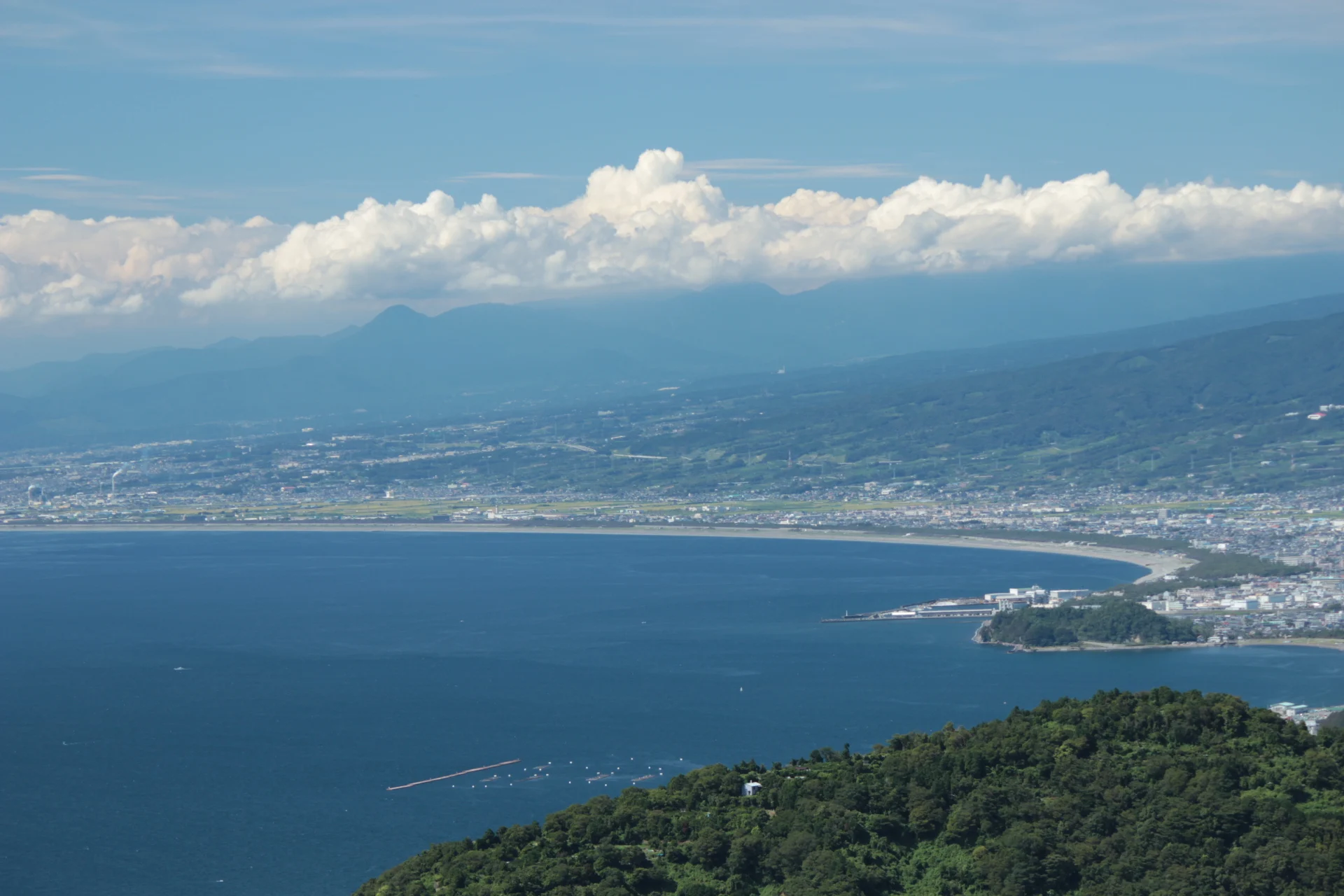
Panorama of Suruga Bay and Coastal Shizuoka with Mount Fuji Rising Above

Latest story

Suruga Bay Abyss & Fuji Springwater Gastronomy — Sakura Ebi, Hon-Wasabi, Lake Hamana Unagi, and Shizuoka Green Tea

Suruga Bay drops precipitously just off the Pacific shoreline, plunging to an astonishing oceanic abyss of 2,500 meters. What makes this marine terroir extraordinary is its physical intimacy with Mount Fuji. Rain and winter snowfall filter through porous basalt strata for decades before emerging along coastal aquifers at a steady 13°C. In this coastal corridor, glacial snowmelt and bathypelagic currents intersect on the dining table, connecting translucent nocturnal shrimp, springwater-nourished wasabi, and brackish lagoon eel.

Read the story
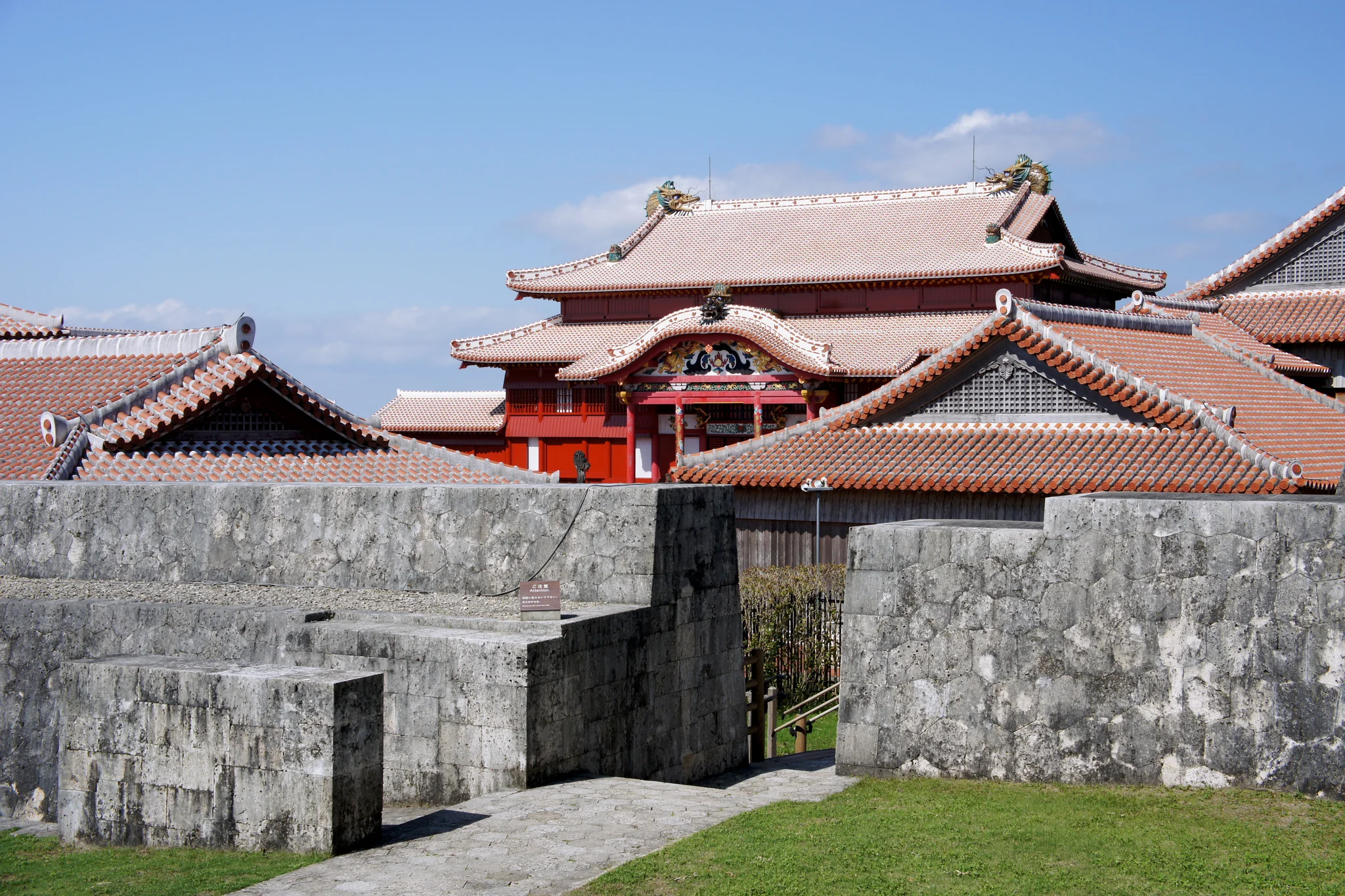
Shuri Castle Seiden Royal Palace of the Ryukyu Kingdom in Naha

Okinawa & Ryukyu Gastronomy — Agu Pork Traditions, Goya Champuru, and Awamori Craft

A cultural exploration of Ryukyu culinary traditions, interpreting regional food not merely as vacation novelties, but as the living practice of Nuchigusui — food as medicine for life. Moving between royal courts, family kitchens, maritime trade routes, and island harvests, this essay reflects on the profound truth that mindful eating sustains the soul.

Read the story
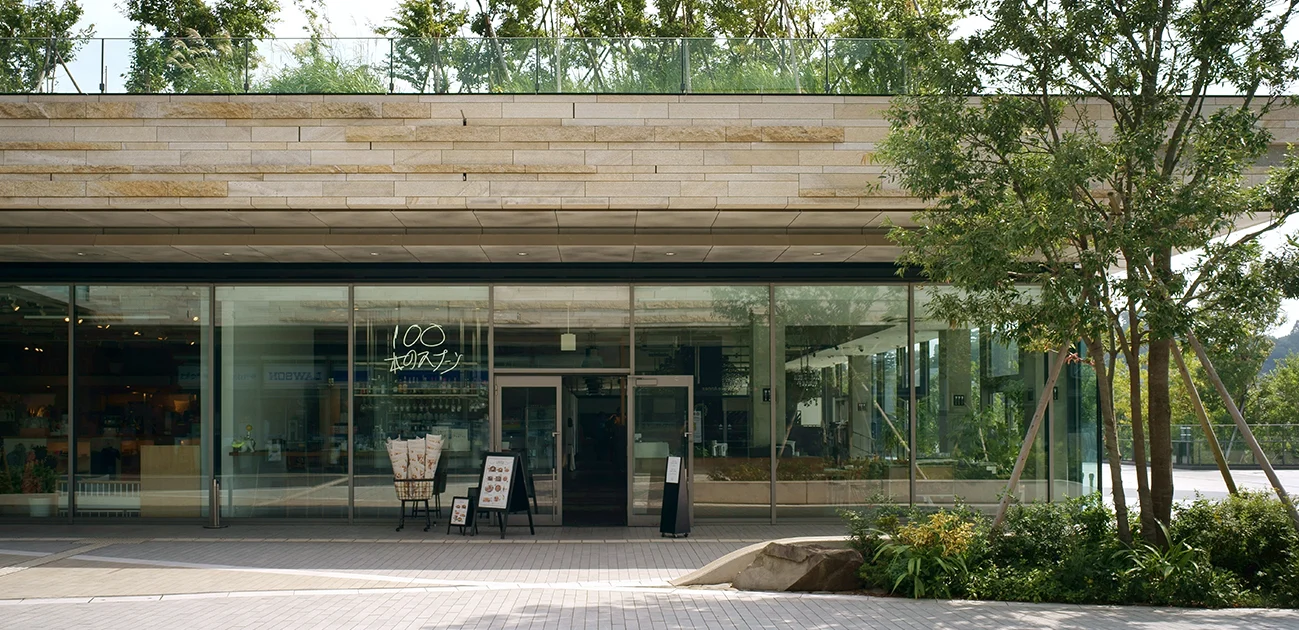
Exterior of 100 Spoons FUTAKOTAMAGAWA, with plants and wood siding

Where to Have Lunch with Kids in Tokyo

Find something everyone wants to eat, settle into a seat, and let the adults enjoy a bite while it is still warm. When planning a family lunch in Tokyo, it can help to decide how you want the meal to go before looking for a popular restaurant.

Read the storyAll places in Tokyo
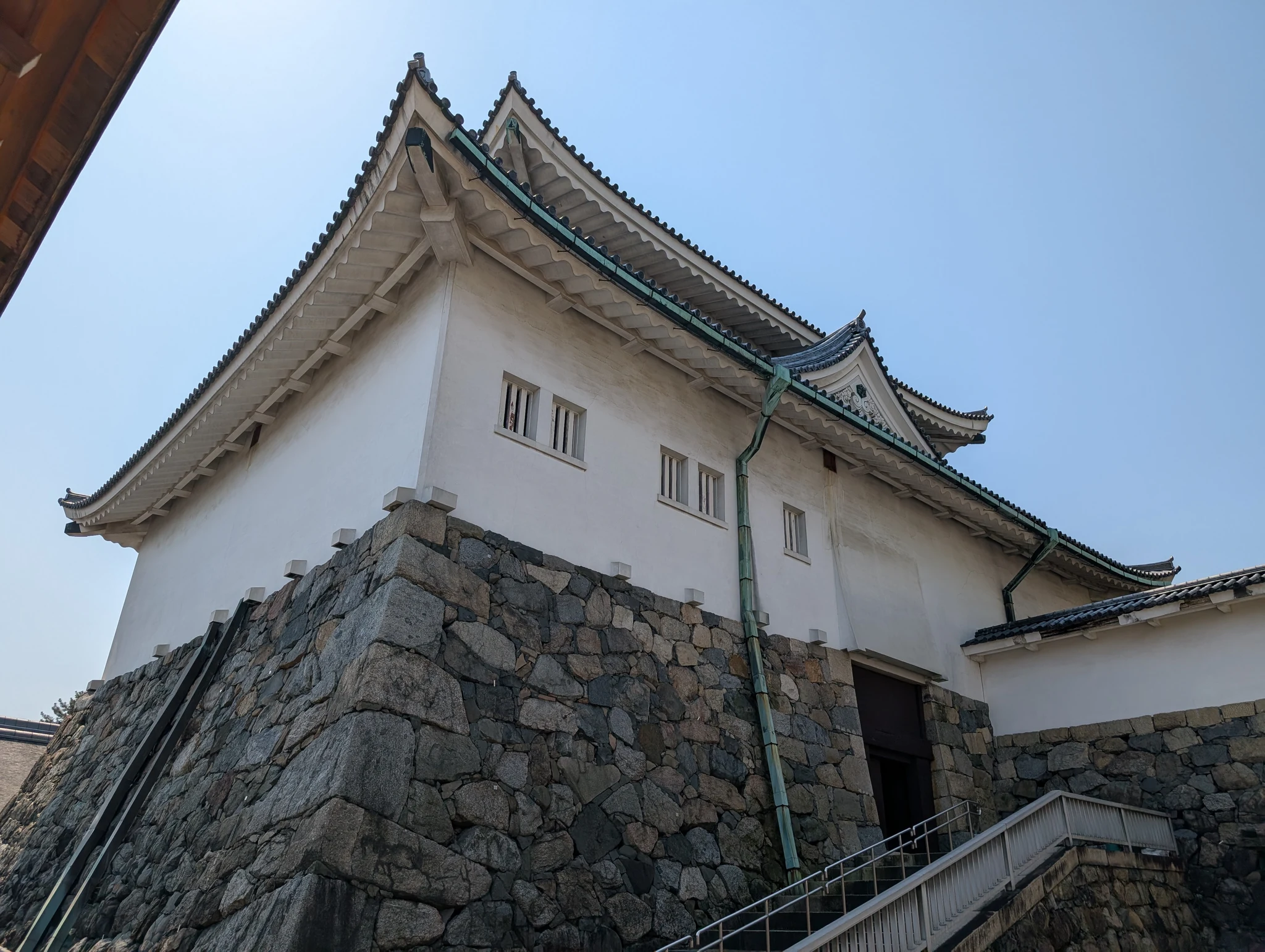
Nagoya Castle Keep and Golden Shachihoko Roof Ornaments

Nagoya & Owari Gastronomy — Charcoal Hitsumabushi and Deep Hatcho Miso Traditions

The culinary art of Owari is a journey into lingering resonance beneath bold seasoning. The blazing hearth where freshwater eel crisps, the meditative silence of aging miso barrels, the fragrant steam of neighborhood kissaten, and joyful evening crowds gathered over peppery chicken wings. Within every dish rests the living memory of castle towns, fertile river valleys, and ancient post roads.

Read the story
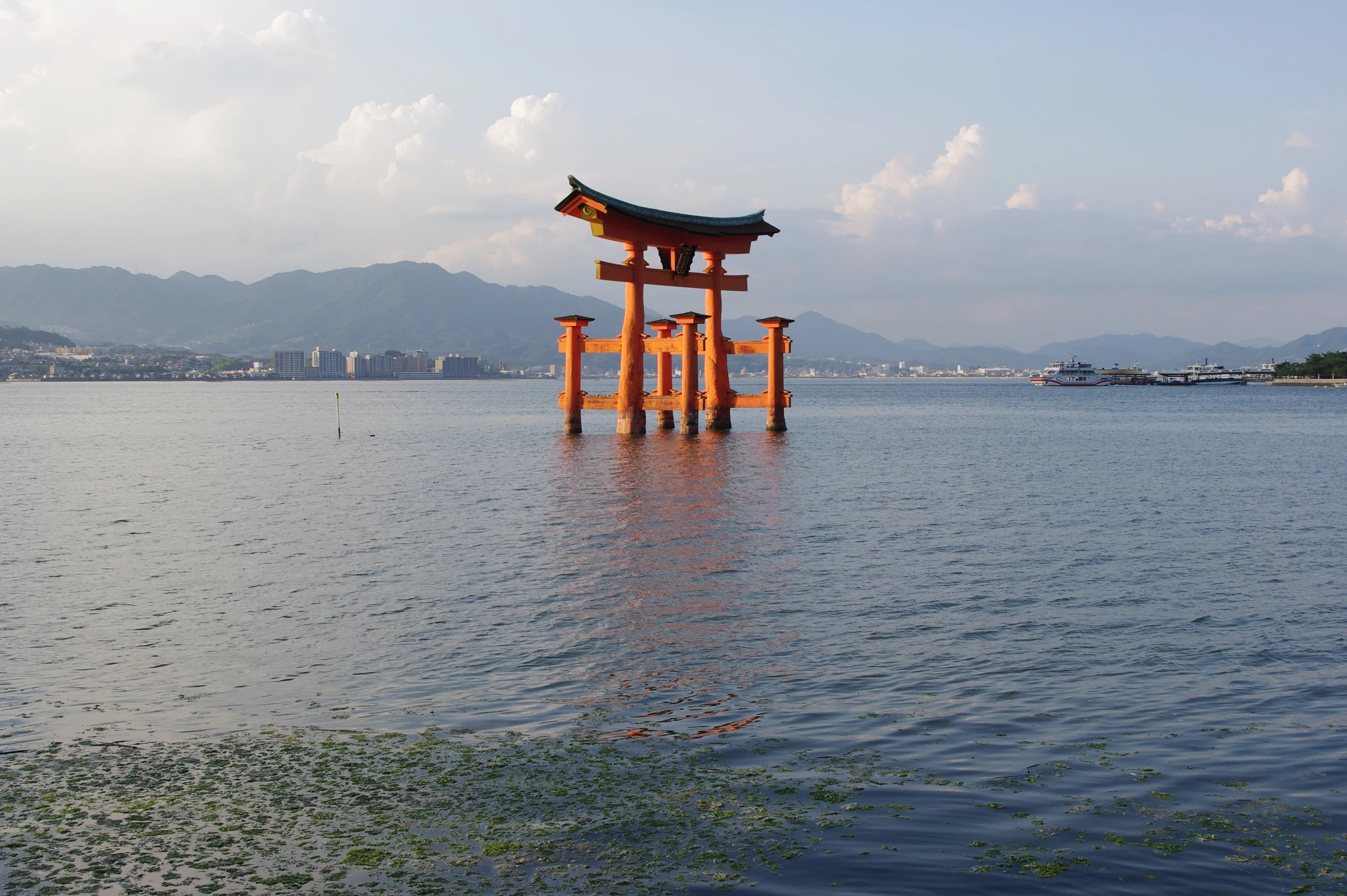
The iconic vermilion floating O-Torii gate of Itsukushima Shrine standing gracefully in the tidal waters of Miyajima

Hiroshima & Miyajima Gastronomy — Seto Inland Sea Oysters and Layered Teppan Art

Embraced by the tranquil inland waters of the Seto Inland Sea, Hiroshima and Miyajima form a singular gastronomic sanctuary where postwar street resilience meets the sacred stillness of ancient island shrines. Across smoking twenty-millimeter iron teppan, master griddlers stack thin crepe batter, mountains of shredded cabbage, pork belly, and fresh soba, capturing sweet steam without ever crushing the layers down. Across the bay, nutrient-dense mountain minerals flow down the Ota River into oyster rafts, yielding oysters of astonishing creaminess. This monograph explores the culinary soul of Hiroshima and Miyajima, weaving together iron smoke, sea tides, and refined temple tea rooms.

Read the story
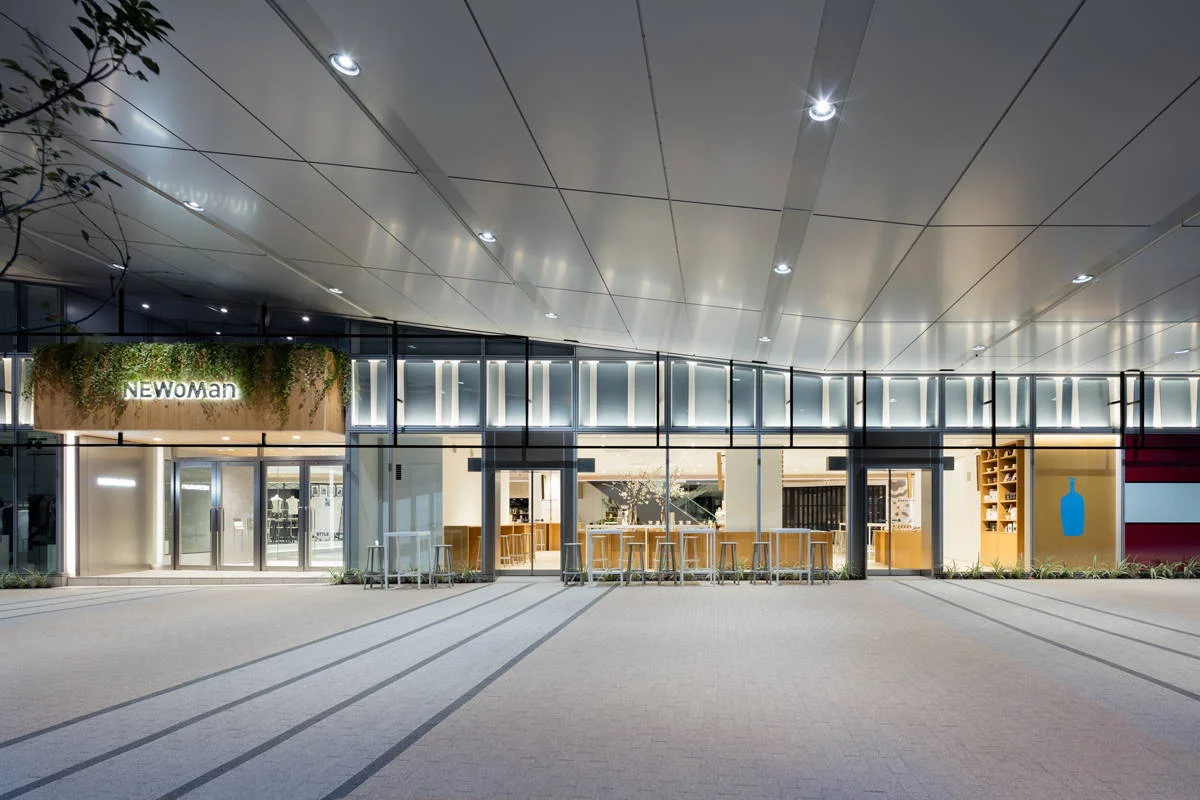
Blue Bottle Coffee Shinjuku Cafe, facing a NEWoMan corridor

A Little Cash for a Day Out in Tokyo

Suica for coffee, a card for dinner: you can get through the day that way at some places, but there are details worth checking at the door. To choose restaurants based on what you want to eat, get familiar with Tokyo’s payment options before you head out.

Read the storyAll places in Tokyo
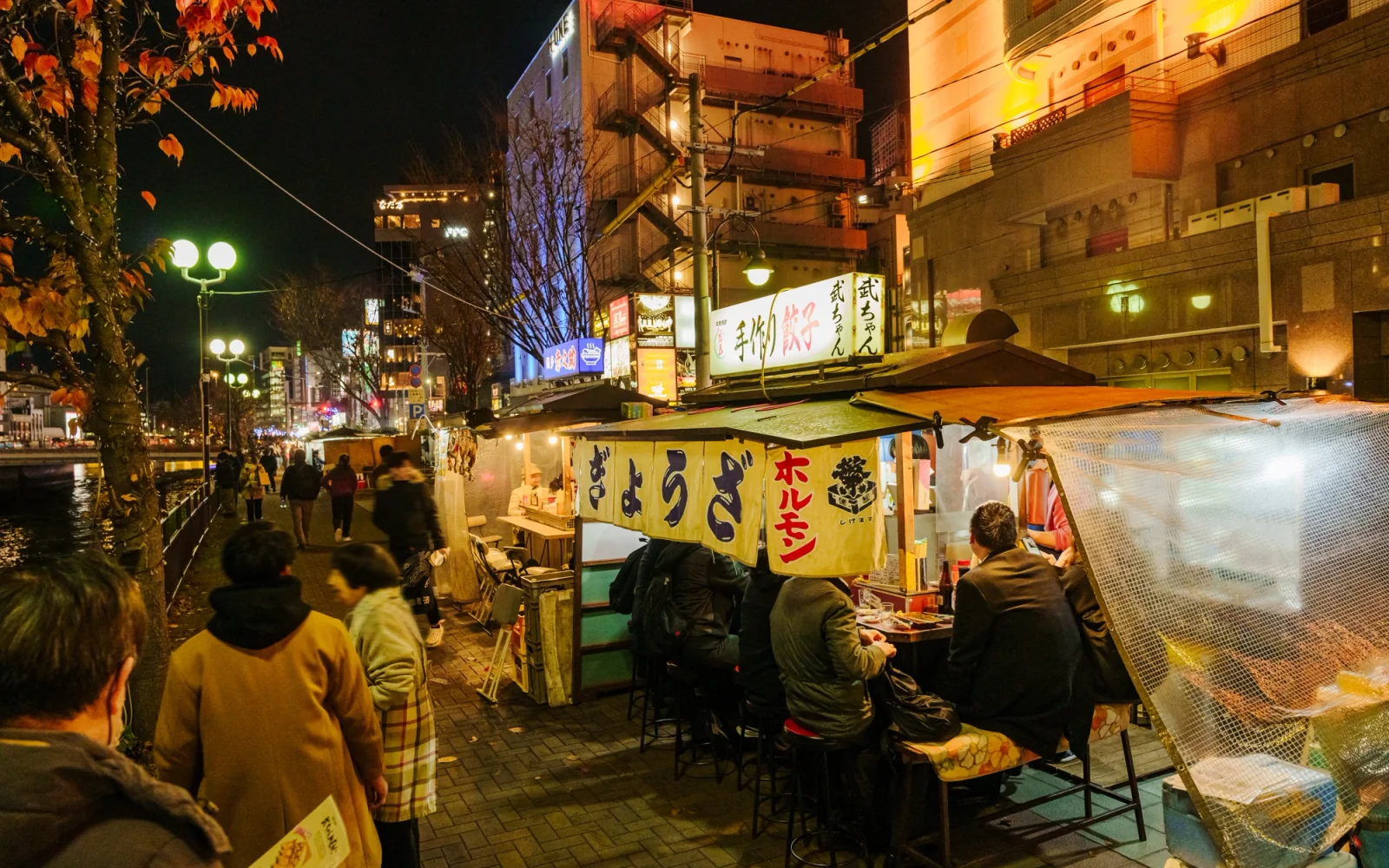
Row of illuminated Hakata Yatai food stalls along the Naka River at twilight in Fukuoka

Hakata Yatai and the Soul of Tonkotsu — Ten Seats Along the River Wind

As darkness falls, mobile wooden carts are wheeled into Fukuoka street corners and riverbanks. Within the warmth of just ten wooden stools, strangers strike up conversations as billows of rich pork bone steam rise from boiling cauldrons. From the architecture of hand-assembled stalls to the marrow emulsion physics of replenished broth, rapid-fire noodle timing, and stall etiquette, we unlock the culinary night universe of Hakata.

Read the story
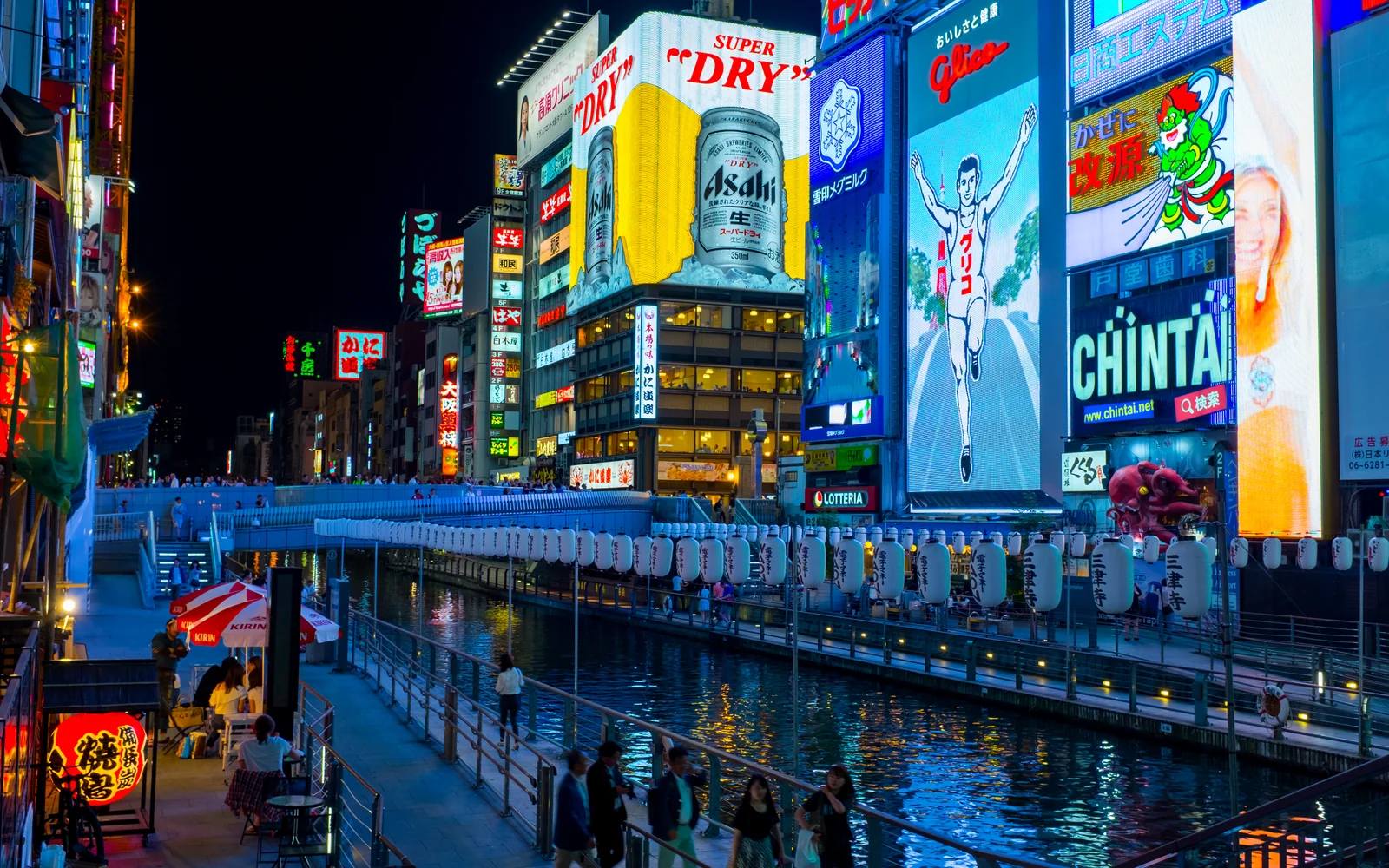
Illuminated Dotonbori canal with giant neon billboards, bustling street crowds, and vibrant bridges in Osaka at dusk

Osaka, the Nation's Kitchen, and the Aesthetics of Eating to the Point of Collapse — Dashi-scented flour dishes in Dotonbori, the laws of kushikatsu in Shinsekai, and the merchant passion still alive in back-alley kakuuchi

Osaka's food is not a pageant of lavish menus. Inexpensive flour, concentrated dashi, the heat of an iron griddle, and the deftness of merchants have filled ordinary stomachs while weaving the city's memory day after day. From Dotonbori to Shinsekai and the lanes of Ura-Namba, this is a journey through the ingredients, techniques, customs, and human warmth hidden inside kuidaore.

Read the storyAll places in Osaka
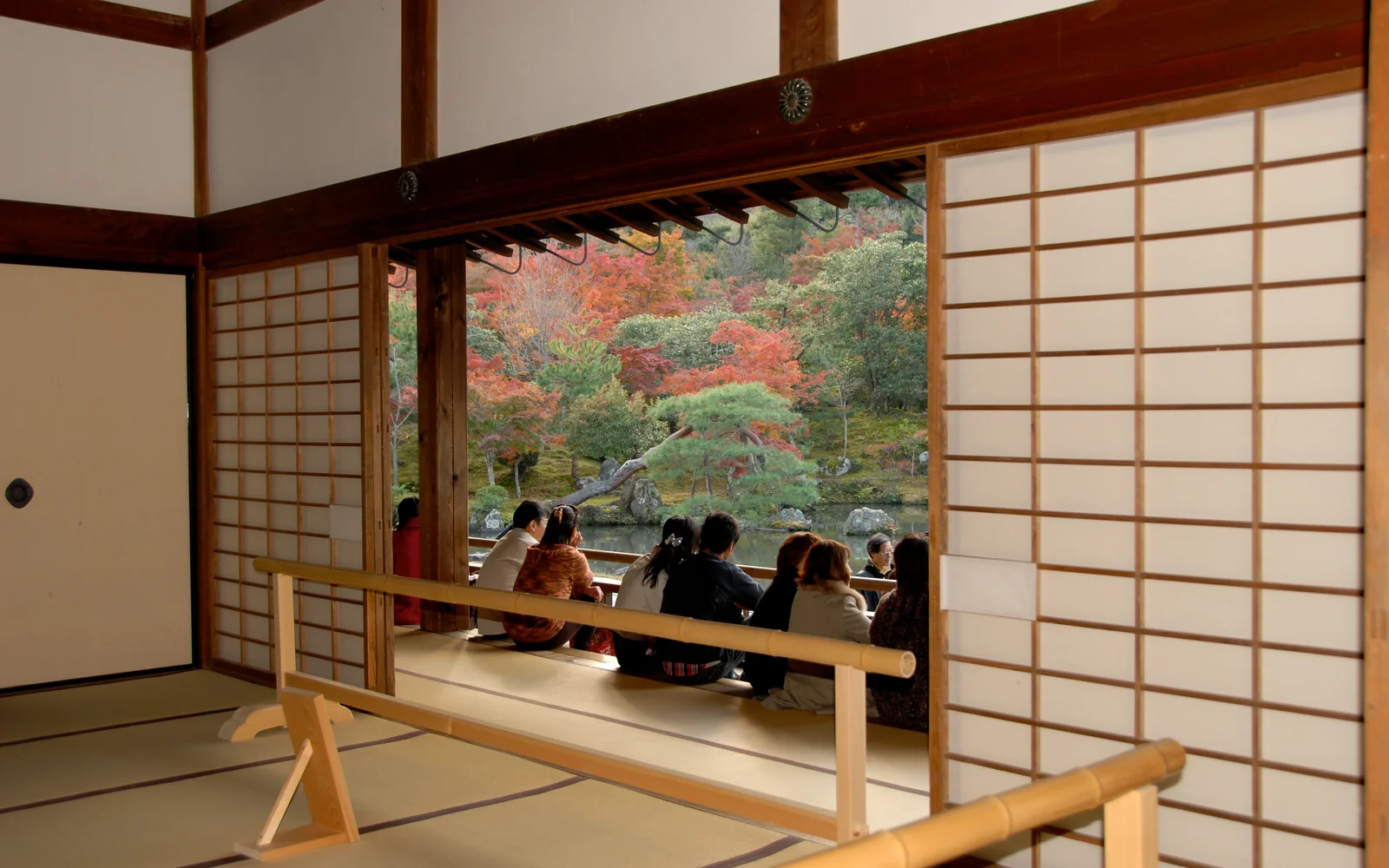
Tranquil Kyoto Zen temple pavilion and Sogenchi pond garden at Tenryu-ji in Arashiyama Kyoto

Kyoto Zen Temple Shojin Ryori — Silence in Moss Gardens and the Five Flavors of Machiya

To understand Kyoto's shojin ryori is not merely to count the dishes made without meat or fish. It is to discover, in the water that rinses the rice, the soil clinging to a root vegetable, and the fingertips that lift a bowl, the web of conditions by which a meal comes into being. This chapter follows Daitoku-ji, Tenryu-ji, Nanzen-ji, Myoshin-ji, and Kodaiji as its waymarks, distinguishing the monastic fare of the sodo, the cuisine prepared for temple visitors, the yudofu of the temple gates, and Higashiyama's yuba culture. Zen discipline and the refinement of Kyoto cuisine touch, yet never become identical. In that delicate borderland lies the depth of Kyoto's food culture.

Read the storyAll places in Kyoto
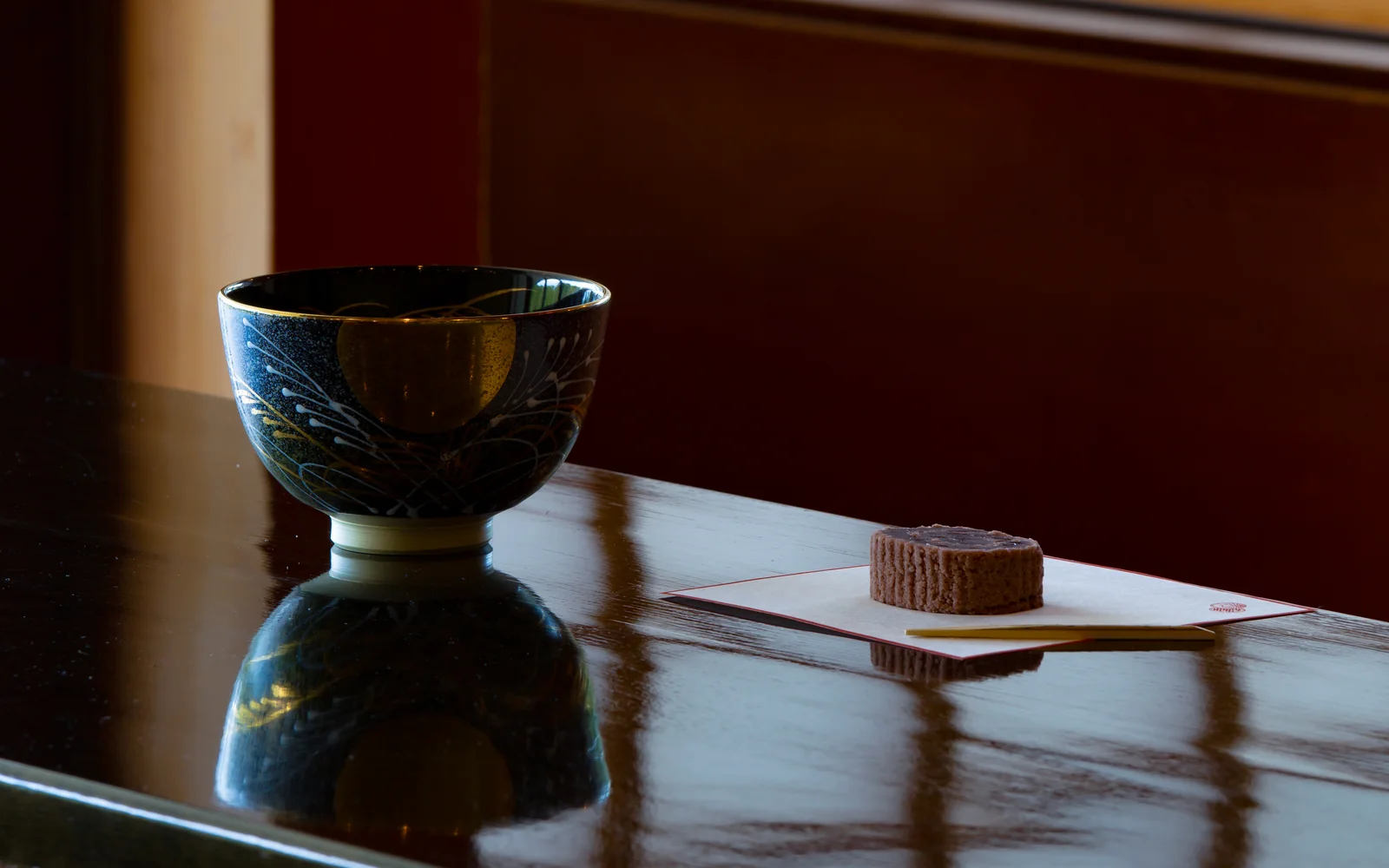
Artisanal seasonal Wagashi namagashi paired with freshly whisked Uji matcha chawan in Japanese tea ceremony setting

Tokyo Wagashi and the Universe of Cha-seki — Namagashi Shaped by the 24 Solar Terms, the Thermodynamics of Azuki, and the Aesthetics of Four and a Half Tatami

To step into a Tokyo chashitsu or an old confectionery house is to face a palm-sized microcosm in which Japan’s four seasons have been distilled. Nerikiri and Kinton change their forms with the passing of the 24 Solar Terms, reflecting the temper of nature and the allusive language of literature. There is the copper-kettle craft of simmering Tamba Dainagon Azuki through Shibukiri, repeatedly boiling and skimming away tannins while concentrating its savor; the fine crystals of Awa Wasanbon, dissolving lightly at the warmth of the body; and the cool lucidity held by Tengusa Kanten, the seaweed-derived agar gel. Before the first sip of usucha, a brief ritual unfolds as Wagashi is divided with a Kuromoji wooden pick. Here, we decipher the essence of the confectionery way, inherited from the Edo period into the present.

Read the storyAll places in Tokyo
Information & sources
Suruga Bay Abyss & Fuji Springwater Gastronomy — Sakura Ebi, Hon-Wasabi, Lake Hamana Unagi, and Shizuoka Green TeaThe vast expanse of Suruga Bay, Japan deepest oceanic trench reaching depths of 2,500 meters, framed by Mount Fuji whose mineral-dense snowmelt nourishes the coastal waters.
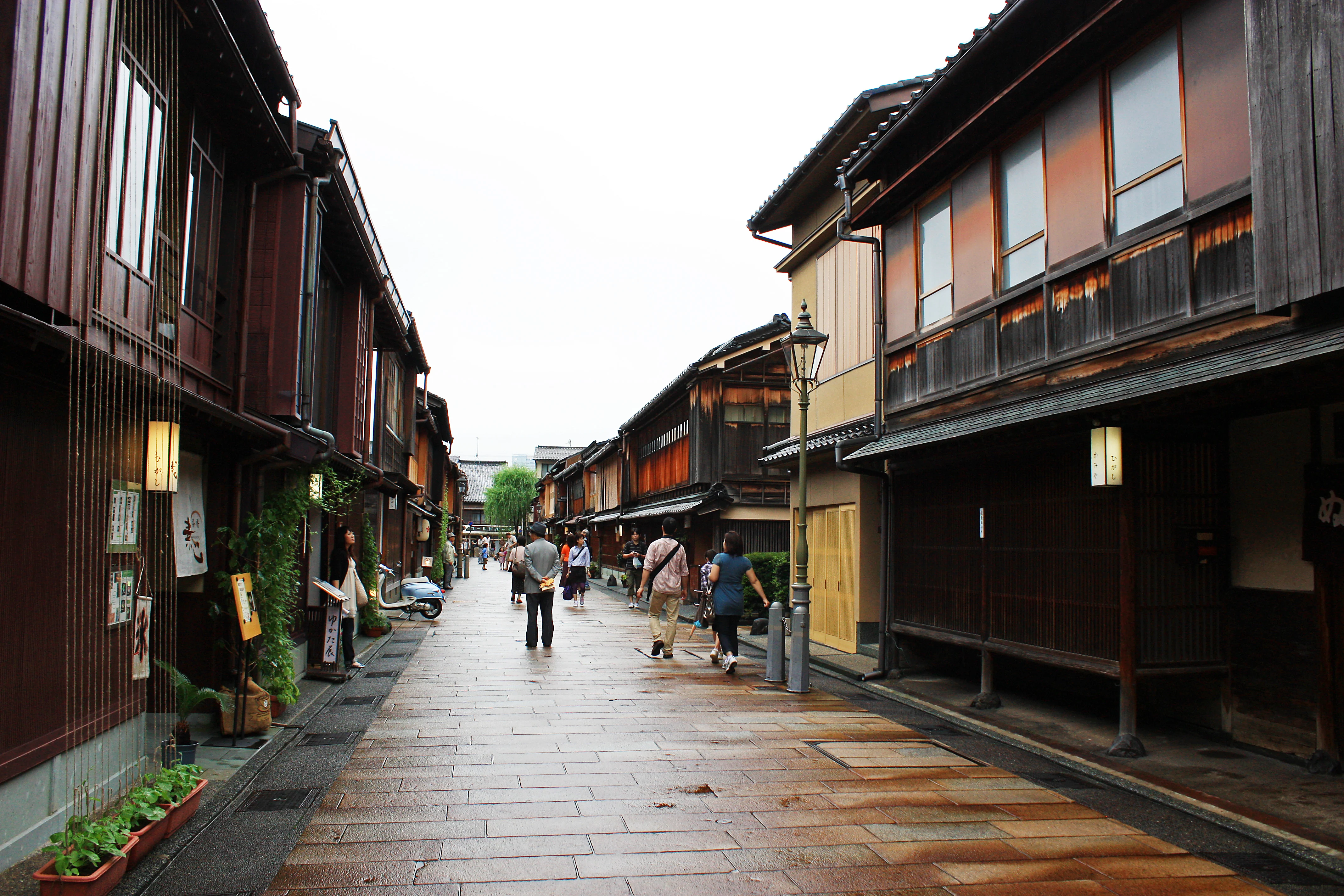
Kanazawa & Noto Gastronomy — Kano Snow Crab, Coastal Salt Hearth, and Kaga Kaiseki ArtistryEvening descends upon the stone-paved lanes and red-ochre kimusuko latticework of Higashi Chaya, timeless epicenter of Kaga hospitality.
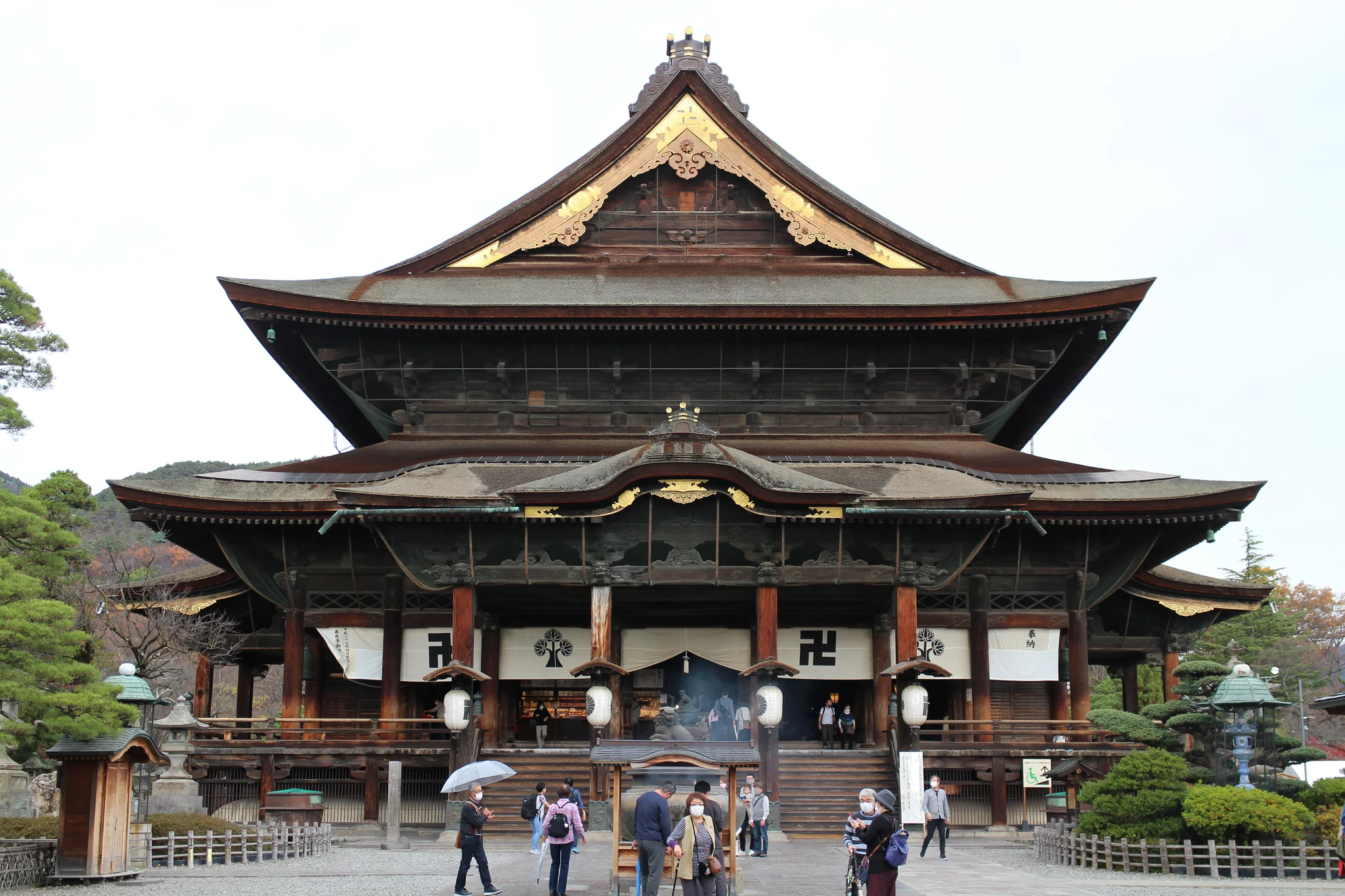
Shinshu & Nagano Gastronomy — Togakushi Soba, Hearth Oyaki, and Alpine WisdomThe monumental cedar and cypress Main Hall of Zenkoji Temple, spiritual beacon of Shinshu welcoming travelers since ancient times.
Okinawa & Ryukyu Gastronomy — Agu Pork Traditions, Goya Champuru, and Awamori CraftThe majestic red lacquer Seiden of Shuri Castle, ancestral heart of Ryukyu royal culture and court gastronomy.
Where to Have Lunch with Kids in Tokyo100 Spoons FUTAKOTAMAGAWA. Check both the menu and seating to see how well they fit your family's needs.
Nagoya & Owari Gastronomy — Charcoal Hitsumabushi and Deep Hatcho Miso TraditionsNagoya Castle soaring above Owari province with its gleaming golden shachihoko roof ornaments.
Hiroshima & Miyajima Gastronomy — Seto Inland Sea Oysters and Layered Teppan ArtSacred waters of Aki Province — the grand vermilion O-Torii gate floating serenely during high tide in the Seto Inland Sea.
A Little Cash for a Day Out in TokyoThe entrance to Shinjuku Cafe. Check the chain's FAQ alongside the information for the store you plan to visit.
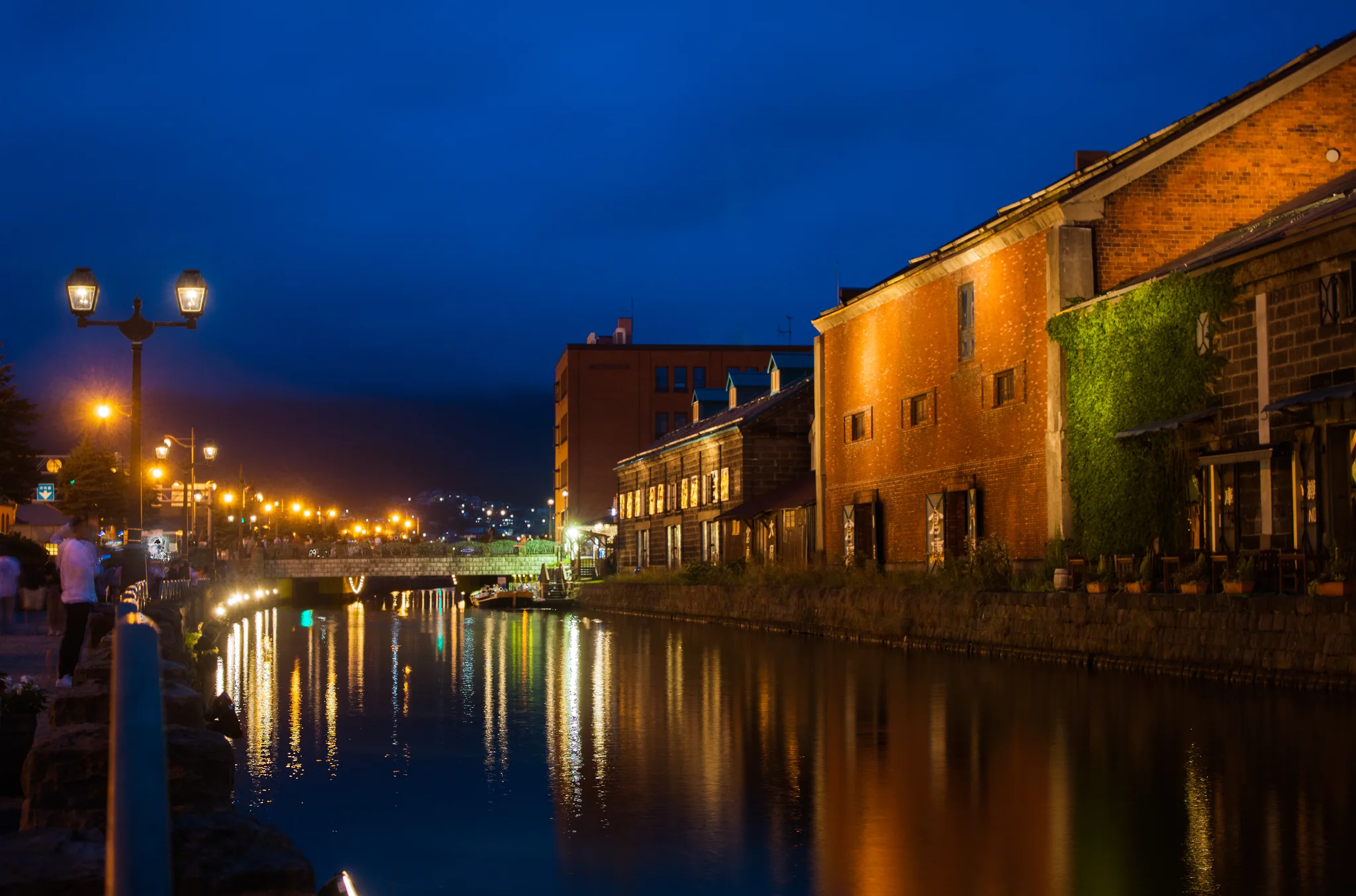
Hokkaido Sapporo & Otaru Gastronomy — Snow-Dusted Canals and Golden Northern Sea FlavorsThe northern gateway: historical stone warehouses and Victorian gas lamps illuminating the winter waters of Otaru Canal.
Hakata Yatai and the Soul of Tonkotsu — Ten Seats Along the River WindThe twilight riverbank of Nakasu, where red paper lanterns flicker against the water and ephemeral ten-seat sanctuaries spring to life.
Osaka, the Nation's Kitchen, and the Aesthetics of Eating to the Point of Collapse — Dashi-scented flour dishes in Dotonbori, the laws of kushikatsu in Shinsekai, and the merchant passion still alive in back-alley kakuuchiDotonbori canal bathed in neon reflections at twilight, the historic epicenter of Osaka street gastronomy and merchant spirit.
Kyoto Zen Temple Shojin Ryori — Silence in Moss Gardens and the Five Flavors of MachiyaThe serene confluence of Zen Buddhism and culinary mindfulness: ancient temple architecture framing the timeless landscape of Kyoto.
Tokyo Wagashi and the Universe of Cha-seki — Namagashi Shaped by the 24 Solar Terms, the Thermodynamics of Azuki, and the Aesthetics of Four and a Half TatamiThe essence of Cha no Yu seasonal confectionery: ephemeral Namagashi mirroring the 24 solar terms, served before a bowl of freshly whisked jade-green matcha.