
Shinshu & Nagano Gastronomy — Togakushi Soba, Hearth Oyaki, and Alpine Wisdom
Sweet steam of hot sobayu near Zenkoji Temple, cool spring water chilling Togakushi bocchi-mori noodles, and savory Nozawana oyaki baked in mountain hearth ash
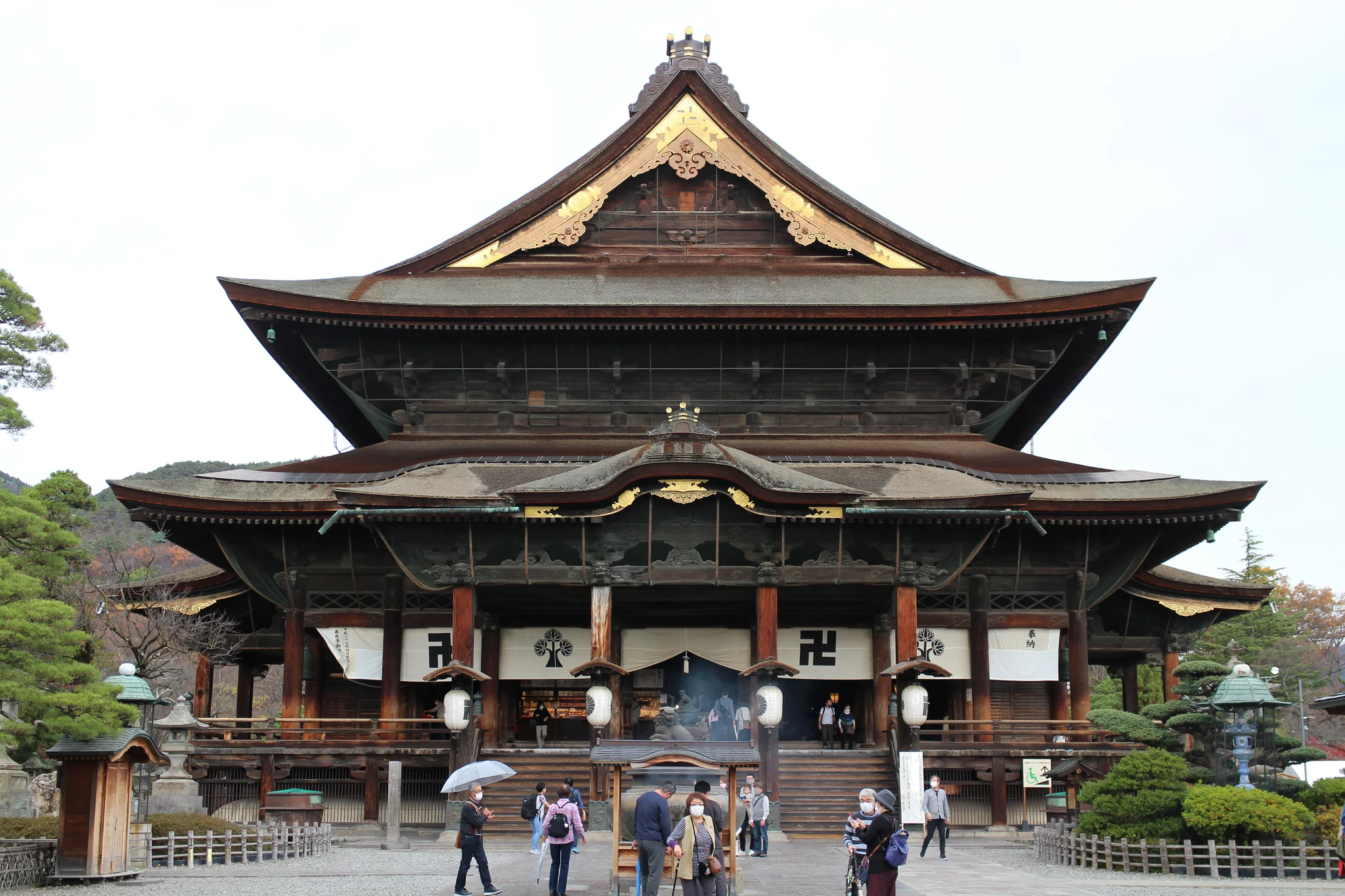
A definitive gastronomic exploration of Nagano and historical Shinshu, decoding alpine mountain worship, ancient Zenkoji pilgrimages, cold-climate fermentation, and handcrafted soba shaped by the pure springs of the Northern Japanese Alps.
Snow-Crowned Alpine Ridges, Zenkoji Temple Bells, and White Buckwheat Blossoms
To understand the dining tables of Shinshu, one must first look upward toward the mountain crests. The jagged ridgeline of the Northern Japanese Alps stands as a majestic folding screen of snow, yet for local households it is the grand architect of sunlight, cold winds, and glacial waterways. In highland valleys like Kamikochi, the clear Azusa River mirrors the granite spires of Mount Hotaka, revealing how snowfall returns to the valleys across decades of natural filtration. Yet Shinshu waters cannot be reduced to a single snowfield. Togakushi is fed by its own ancient mountain strata, while the alluvial fans of Azumino filter crystal springs at a steady thirteen degrees Celsius. Washing soba noodles, steaming rice, and fermenting greens all rest upon distinct hydrological histories. Revering the mountains is not an abstract sentiment, but an everyday ethic of drawing clear spring water without muddying the stream.
Travelers have journeyed through this mountain realm along historic post roads since ancient times. Pilgrimages to Zenkoji Temple blossomed across centuries, nurturing temple inns, bustling teahouses, and noodle workshops along the monumental Daimon approach. The hunger of a weary pilgrim walking to the dawn bell and the hunger of an alpine farmer tending terraced fields meet over the same steaming ceramic bowl. Shinshu was not entirely deprived of rice, for alluvial basins sustained paddy agriculture. Yet in frost-prone highlands and volcanic slopes where water could not easily be channeled, fast-growing buckwheat and hearty mountain grains sustained community survival. Fields of white buckwheat blossoms are thus far more than picturesque scenery. They embody generations of collective agricultural judgment, reading the terrain to cultivate what truly thrives.
As autumn deepens across the valleys, villagers pack harvested greens into cedar barrels, ferment golden soybeans with koji, and dry what can be preserved before sub-zero frosts arrive. In this alpine country, winter self-reliance was never an ideology of isolation, but a practical rhythm to ensure no household went hungry before spring thaw. Grinding wheat and buckwheat into dough to wrap garden bounties gave birth to Oyaki dumplings, retaining that same survival spirit. Some hearths baked them directly in glowing charcoal ash, others pan-seared then steamed them in bamboo baskets. Different uses of fire fostered distinct crust textures and family memories. And soba noodles, in their final moments meeting glacial water, complete the day's nourishment. Without exaggeration or ostentation, Shinshu gastronomy resides in the quiet precision of never wasting the gifts of the earth.
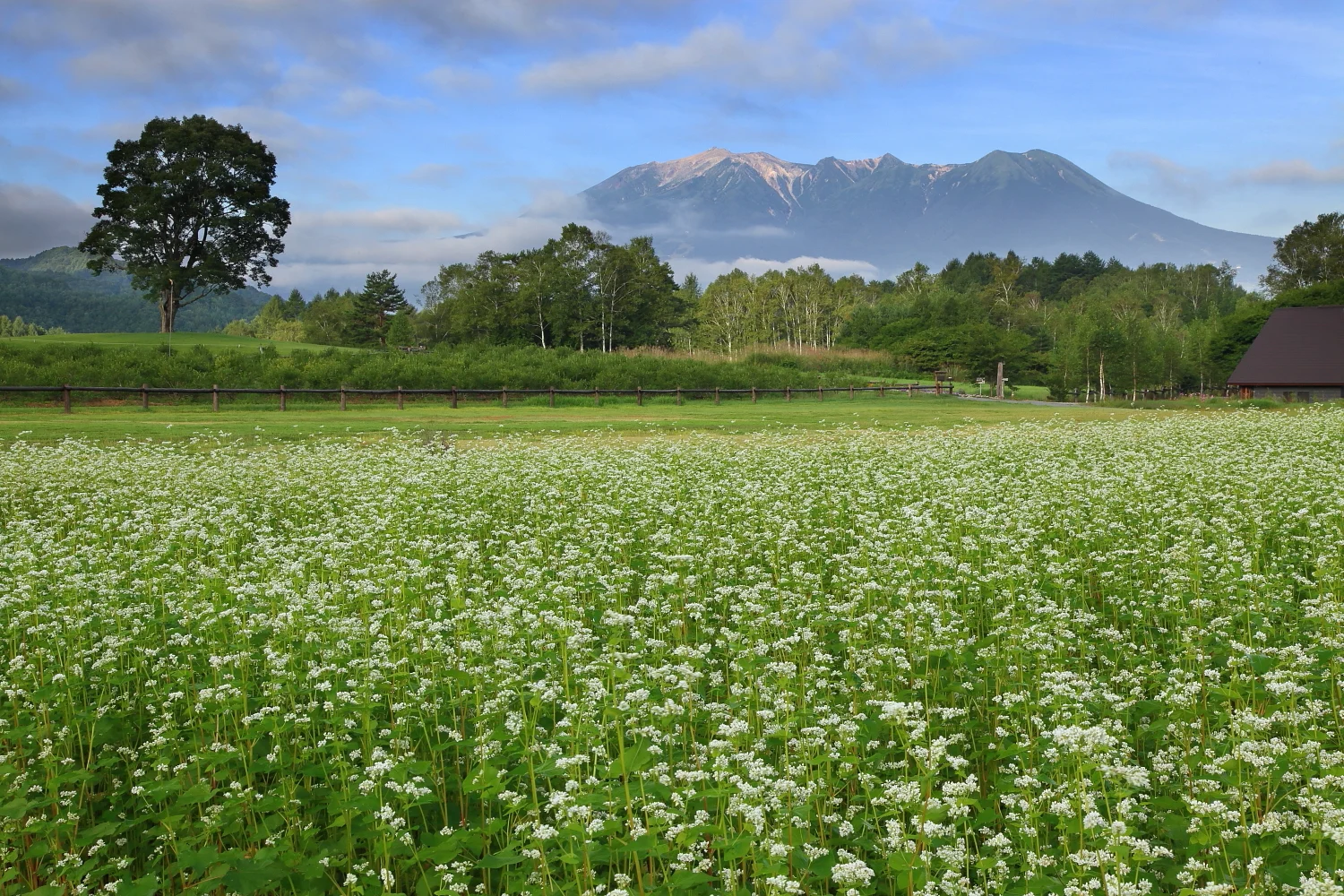
Highland Morning Mist and Stone-Milled Craft — Togakushi Hand-Cut Soba and Bocchi-Mori Grace
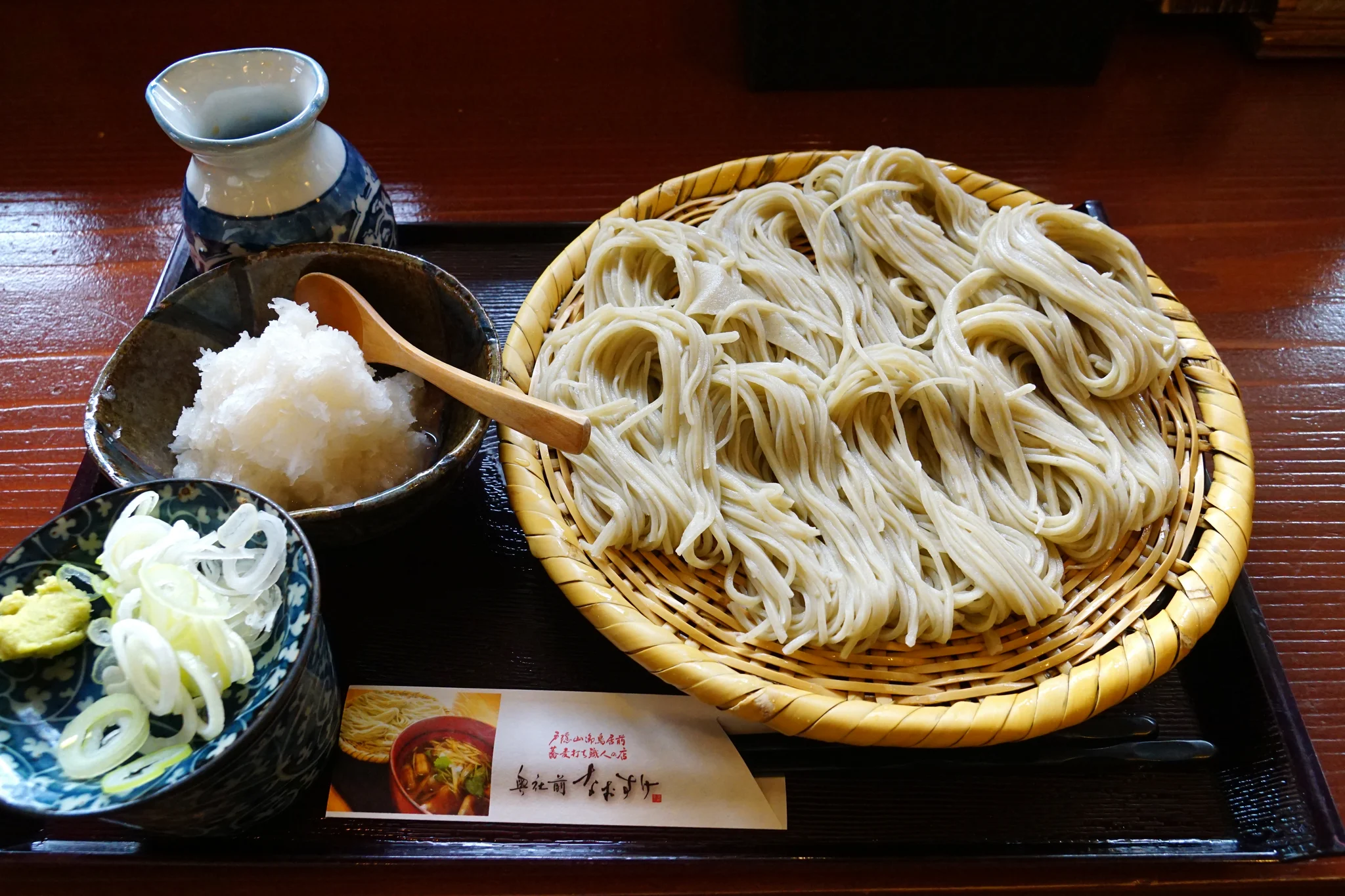
Dense morning mist rolls down the mountain slopes of Togakushi at an altitude of over one thousand meters. In this historic spiritual sanctuary of Shugendo ascetics, soba noodles were cultivated as portable sustenance for mountain monks and refined as temple offerings. By unraveling the five moist horseshoe bundles resting upon woven bamboo zaru trays, we explore the living interplay between highland terroir and shokunin mastery.
Preserving the Sweet Nuttiness of Buckwheat Nurtured in Mountain Fogs
Kirishita soba refers to buckwheat cultivated in highland pockets enveloped by morning and evening fogs. In Togakushi, mild summer temperatures and sharp day-night thermal swings encourage buckwheat grains to develop dense starches and rich nutty nuances. Skilled millers rotate heavy granite stones at very low revolutions, preventing friction heat from evaporating delicate volatile terpenes and capturing the fragrant green-tea notes of the inner husk.
Rolling Pure Dough in Harmony with Water and Atmospheric Moisture
Togakushi artisans employ the traditional single-pin technique known as ippon-bo marunobashi. Unlike urban styles that quickly square the dough, the Togakushi master rolls outward in graceful circular arcs, carefully shifting angles and palm pressure to maintain consistent dough density from center to perimeter. Because buckwheat flour lacks gluten, the artisan reads daily ambient humidity to hydrate each flour grain without tearing.
Retaining Delicate Surface Water for a Pristine and Effortless Slurp
In Bocchi-mori presentation, freshly boiled noodles are chilled in icy spring water and divided into five elegant horseshoe bundles on a round bamboo zaru basket. Folklore connects these five bundles to the five shrines of Togakushi. Crucially, the noodles are not shaken completely dry. A thin sheen of pure mountain water clings to each strand, allowing the bundles to slide effortlessly onto chopsticks with crisp oceanic clarity.
Enhancing Grain Sweetness with Balanced Broth and Alpine Roots
The dipping tsuyu broth serves as a harmonic accompaniment rather than an overpowering seasoning. Brewed by marrying aged soy sauce kaeshi with smoky honkarebushi dried bonito dashi, the broth is balanced by local Shinshu karami daikon spicy radish and freshly grated Azumino wasabi. By dabbing wasabi directly onto the noodles rather than dissolving it in broth, the crisp alpine piquancy bursts cleanly.
Concluding the Meal with Nourishing Roasted Buckwheat Essence
As the final noodles are savored, a wooden pot of hot sobayu is brought to the table. Pouring the cloudy boiling water into the remaining dipping cup releases deep aromas of roasted buckwheat and sea dashi. Rich in water-soluble amino acids and rutin, this warm broth gently relaxes the palate and completes the meal in mindful gratitude.
Charcoal Embers and Sub-Zero Fermentation — Hearth Oyaki and Winter Nozawana Wisdom
Across steep mountain hamlets clinging to the slopes of Shinshu, flat rice paddies were scarce and precious. Inhabitants stone-ground drought-tolerant wheat and buckwheat, wrapping seasonal wild greens into dumplings roasted in the glowing ash of the central irori hearth. Beneath deep winter snowdrifts, harvested Nozawana greens fermented slowly into crisp lactic pickles. This self-reliant alchemy transforms harsh alpine winters into wholesome comfort.
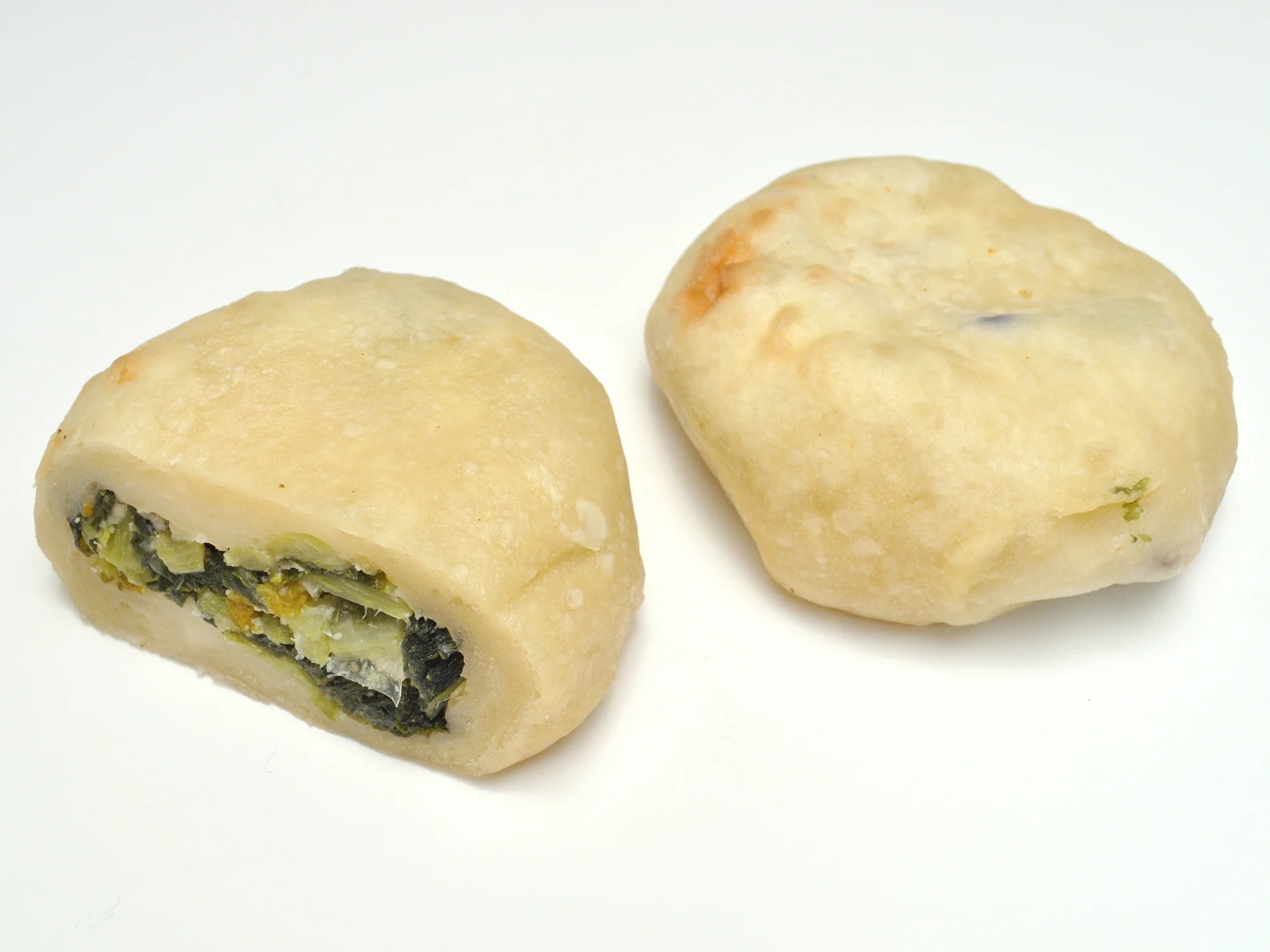
Mountain Treasures Wrapped in Wheat and Buckwheat Dough
The ancestral form of Oyaki dumpling originated in alpine villages such as Ogawa and Kinasa. In the traditional hai-yaki method, kneaded wheat and buckwheat dough was stuffed generously with salted Nozawana greens, dried daikon radish, mountain mushrooms, sweet kabocha pumpkin, or walnut miso, then nestled directly into the clean charcoal ash beside the hearth fire. Radiant dry heat blistered the outer crust into a savory crackle while steaming the interior fillings to juicy tenderness. As lifestyle modernised, steaming and pan-searing methods spread, yielding softer steamed dumplings while preserving the deep soul of alpine hearth hospitality.
Oyaki served as portable kobiruma snacks for farmers laboring in terraced fields from dawn to dusk. Packed into straw warmers or coat pockets, they provided vital energy against the cold. Making resourceful use of non-rice grains and garden trimmings while harnessing residual hearth embers embodies Shinshu reverence for nature and selfless sharing with guests.
Sub-Zero Snow Fermentation and Geothermal Spring Washing
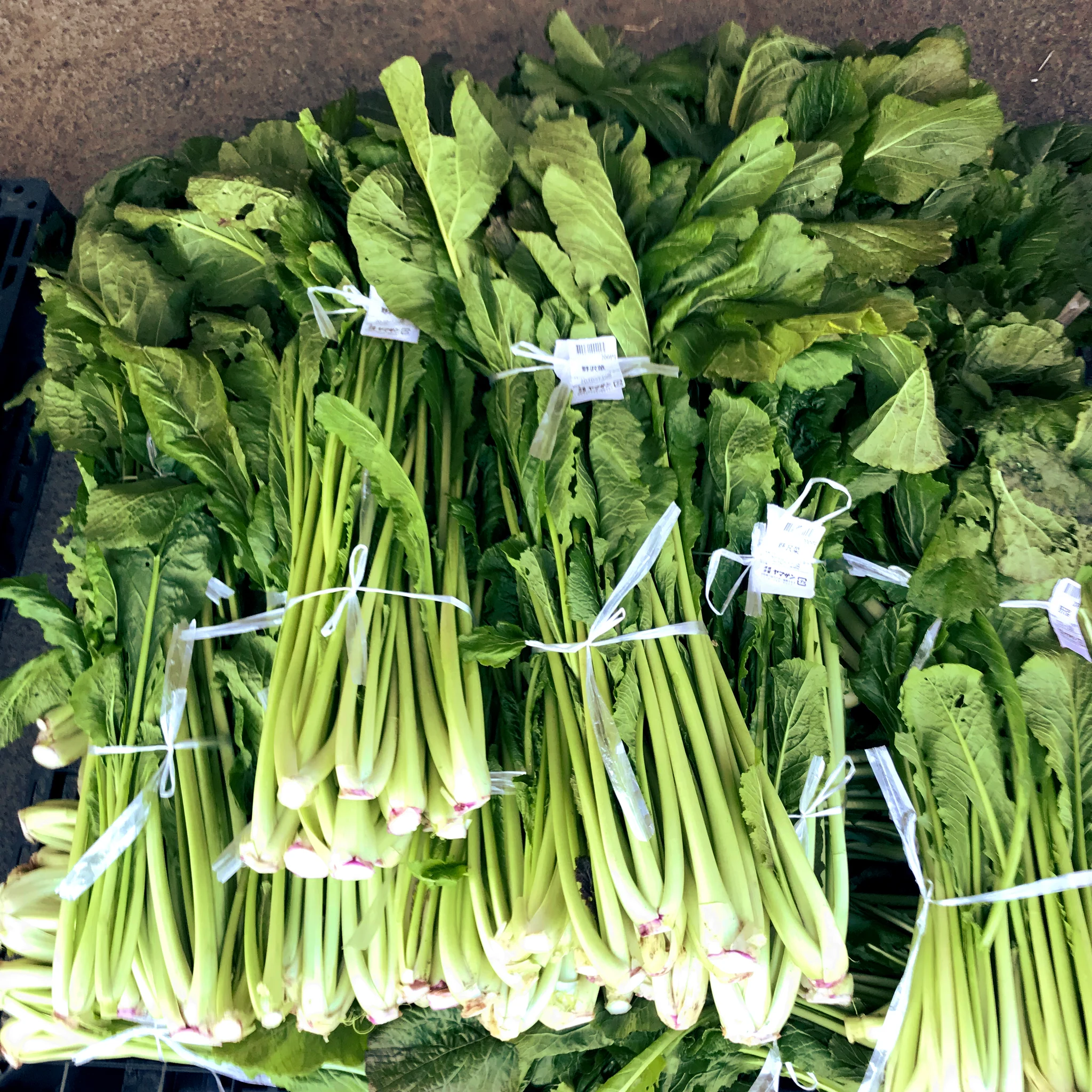
Historical temple records at Kenmeiji in Nozawa Onsen date the cultivation of Nozawana back to 1756, when a Buddhist abbot brought turnip seeds from Kyoto that adapted uniquely to alpine soil into long-stalked mustard greens. Each autumn, the community gathers for O-arau, washing harvested greens in hot geothermal spring pools. The warm mineral waters cleanse soil from tender leaves and prepare the cell walls for pickling. Packed tightly into giant cedar barrels with sea salt and dried chili peppers beneath heavy stone weights, the barrels winter under deep snow. Slow cold-temperature lactic fermentation develops brisk acidity, crunchy texture, and deep natural umami without added vinegar.
Shinshu Miso represents another pinnacle of cold-climate fermentation. Steamed golden soybeans are inoculated with rice koji and sea salt, aging through freezing mountain winters in cedar vats. Slow fermentation yields a golden amber color, mellow savoriness, and delicate sweetness that anchors Oyaki fillings, winter hot pots, and comforting hearthside soups.
Alpine Thermal Swings and Clear Azusa Waters — Shinano Apples, Sanzoku-Yaki, and Mountain Terroirs
Dramatic elevation shifts and pristine snowmelt aquifers give Shinshu a diverse culinary spectrum far beyond winter rations. From crisp honeyed Shinano apples ripened under bright high-altitude sunshine to the bold garlic-seared crunch of Matsumoto Sanzoku-yaki and clear spring waters nurturing wasabi and river trout, the valleys of the Alps function as nature's greatest open-air cellar.
The Shinano Apple Brothers Nurtured by Highland Day-Night Temperature Shifts
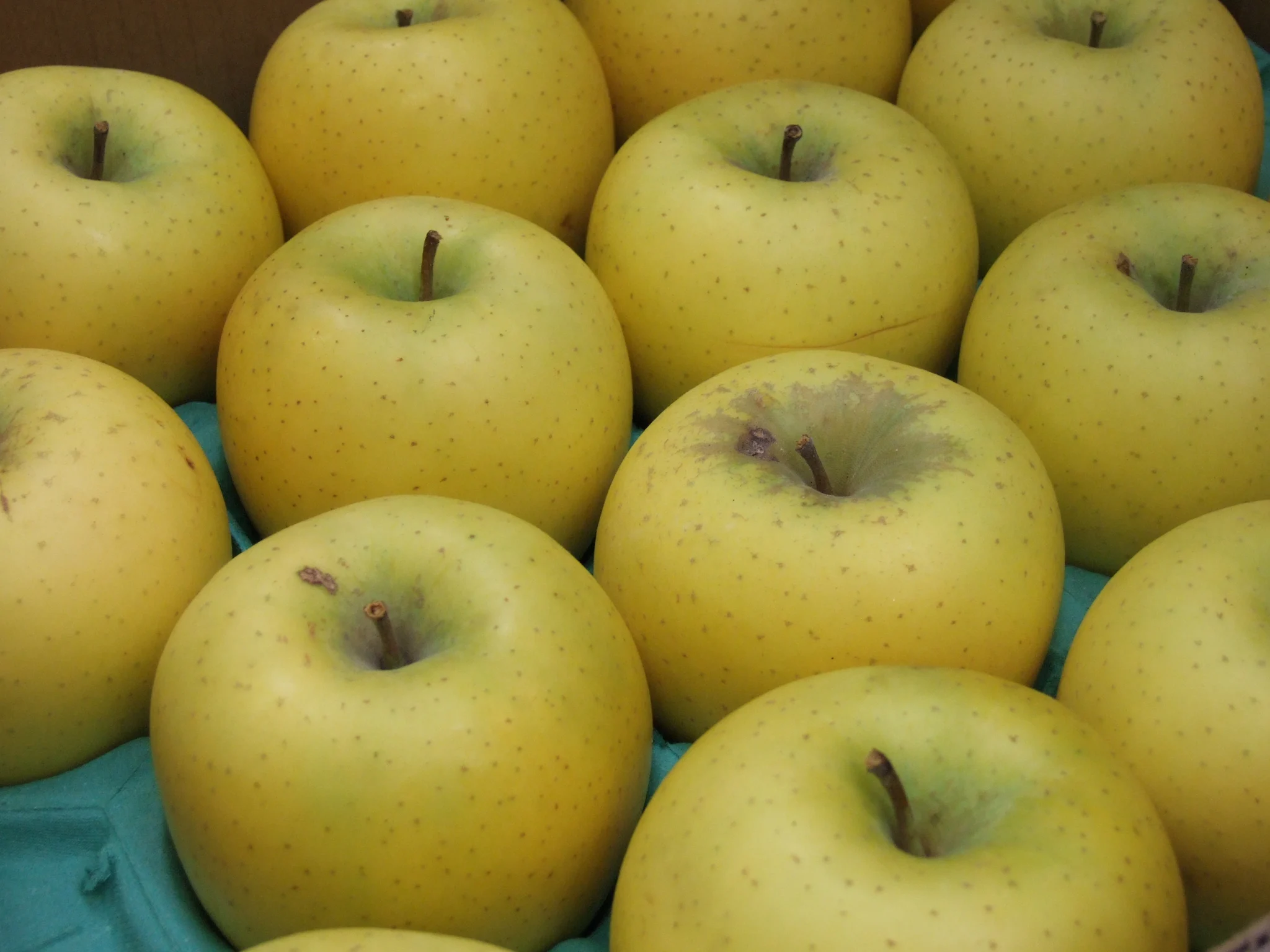
Nagano apple culture thrives across sunny foothill slopes and alpine basins. Varieties like Shinano Gold, Shinano Sweet, and deep-crimson Akibae are celebrated as the Three Shinano Brothers. Highland orchards bathe in intense ultraviolet rays during daytime, followed by rapid nighttime cooling that arrests respiration and concentrates honeyed sugars inside crisp, snappy flesh. Balanced by clean natural acidity, Shinshu apples possess vibrant floral structure and luscious juice.
Fiery Garlic-Soy Fried Chicken — The Bold Soul of Matsumoto Sanzoku-Yaki
Sanzoku-yaki is the hearty soul food of Matsumoto and Shiojiri. Whole chicken thighs are marinated in crushed mountain garlic, freshly grated ginger, onion, and aged soy sauce, dredged generously in potato starch, and deep-fried to a crackling golden crunch. Folk humor explains the bandit name — a mountain bandit (sanzoku) takes things from travelers (tori-ageru), playing on words with tori-age (fried chicken). It remains an honest, generous dish enjoyed with shredded cabbage and dry alpine sake.
Daio Wasabi Farm and the Glacial Gifts of the Northern Alps
At Daio Wasabi Farm in Azumino, thousands of tons of daily alpine snowmelt springs flow constantly across shaded gravel beds at a pristine thirteen degrees Celsius. This crystal stream nurtures emerald wasabi leaves and tender roots bursting with crisp, clean heat and gentle sweetness. The same pure waters sustain delicate river trout (Iwana) grilled over charcoal with coarse salt and supply heritage alpine breweries crafting bone-dry, refreshing sake.

Six Iconic Dining Sanctums in Nagano & Shinshu — From Mist-Shrouded Togakushi to Matsumoto
To truly experience the gastronomy of Shinshu, six iconic dining establishments carry the pride of local heritage and the memory of alpine land. From quiet soba parlors along shrine avenues to welcoming hearthside kitchens, these sanctums represent essential culinary pilgrimages.

Uzuriya (Togakushi Shrine Nakasha Gate)
Standing right before the torii gate of Togakushi Shrine Nakasha, this legendary shop draws soba lovers from across Japan before dawn. Locally harvested buckwheat is stone-ground at low speed and chilled in Togakushi spring water, served as pristine Bocchi-mori bundles with freshly grated whole wasabi root.
Irohado Kinasa Main Store (Kinasa Village)
Located deep in the mountain sanctuary of Kinasa, this benchmark bakery crafts handmade dumplings using a blended wheat and buckwheat dough stuffed generously with Nozawana greens, wild mushrooms, and sweet pumpkin, lightly fried then baked in high-heat stone ovens.
Fujikian (Zenkoji Temple Daimon)
Founded in the late Edo period during the Bunka era, this temple gate treasure has welcomed pilgrims for over two centuries. Buckwheat flour is freshly kneaded each morning, served with three dipping sauces including rich toasted sesame and grated yam.
Sobadokoro Kobayashi Main Store (Matsumoto)
Bordering the gentle Metoba River near Matsumoto Castle, this venerated house stone-mills contract-grown Azumino buckwheat and rolls hundred percent Juwari soba without binders, delivering crisp slurp and rich nutty depth.
Torimoto (Matsumoto Station)
A beloved Showa-era izakaya where locals gather for authentic Sanzoku-yaki fried chicken. Marinated overnight in garlic, ginger, and aged soy sauce, whole chicken cutlets are coated in potato starch and fried to shattering golden perfection.
Daio Wasabi Farm Restaurant Oasis (Azumino)
Set alongside Japan largest wasabi farm fed by 120,000 tons of daily alpine snowmelt springs. Diners enjoy freshly grated whole wasabi over rice and spring-water kneaded soba overlooking emerald shaded gravel waterways.
Alpine Dining Etiquette & In-Depth Q&A — Soba Slurping, Oyaki Styles, and Practical Tips
Shinshu dining culture is shaped by mountain ascetic traditions and practical farm wisdom, balancing humble efficiency with deep respect for seasonal ingredients. These insider guidelines help travelers savor every nuance.
The Etiquette of Slurping Soba — Aerating Aroma into the Palate
Slurping soba noodles briskly with an audible intake of air is not impolite. Inhaling air alongside the chilled noodles aerates volatile aroma compounds directly into the nasal passages. Dipping only the lower half into tsuyu broth honors the artisan craft.
Handling Fresh Wasabi — Dab Directly onto Noodles
Real Azumino wasabi loses its fragrant top notes if completely stirred into salty soy broth. Instead, dab a small pinch directly onto the soba strands before dipping lightly into sauce, letting pure piquancy bloom on the tongue.
Reheating Takeaway Oyaki — Two-Stage Steaming and Toaster Method
To revive takeout oyaki, microwave briefly for twenty seconds to warm the core filling, then toast in an oven toaster or dry frying pan for two minutes to restore the crispy, fragrant outer crust.
How many Bocchi bundles should I order for Togakushi soba?
A standard single serving typically includes five bocchi bundles. For hearty appetites or hungry hikers, ordering a large zaru with seven to eight bundles is customary.
What is the difference between Juwari and Ni-hachi soba?
Juwari (生粉打ち) is made with one hundred percent pure buckwheat flour, offering rustic chew and intense grain aromatics. Ni-hachi combines eighty percent buckwheat with twenty percent wheat flour for a silky, smooth slurp and springy resilience. First-time visitors are encouraged to try both styles.
What is the difference between roasted and steamed Oyaki?
Northern Shinshu (Nagano City, Kinasa, Ogawa) favors oven-baked or hearth-roasted styles with crisp, chewy exteriors, perfect for savory Nozawana and miso. Central and southern valleys (Matsumoto, Kiso) favor fluffy steamed bun-style oyaki, wonderful for sweet bean and pumpkin fillings.
When is the peak season for Shinshu apples?
Harvest begins in late September with crimson Akibae, peaks in October with sweet Shinano Sweet, and extends into November and December with honeyed Shinano Gold and crisp Sun Fuji.
Captain Poko Shinshu & Alpine Gastronomic Explorer
Surrounded by cool alpine breezes and fragrant hearthside smoke, Captain Poko reflects upon the core essence of Nagano mountain cuisine.

Togakushi Bocchi-mori embodies mountain spirituality and spring purity
Buckwheat nurtured in mist-shrouded elevations and served in sacred five-bundle arrangements symbolizes Shinshu deep harmony with mountain waters.
Hearthside Oyaki preserved self-reliant warmth through harsh winters
Wrapping winter-aged Nozawana pickles and savory miso in hearty flour skins reflects ingenious alpine self-sufficiency.
Extreme diurnal temperature swings yield world-class fruit and wasabi
Sharp day-night temperature shifts concentrate natural sweetness, crisp acidity, and pure aromas across orchards and spring-fed fields.
Centuries of pilgrimage from Zenkoji to Matsumoto Castle foster genuine hospitality
Historic teahouses and soba workshops have welcomed pilgrims and travelers across centuries with unpretentious warmth.

Captain Poko's Alpine Field Notes
Gazing up at the snow-capped Northern Japanese Alps, from the towering cedar avenues of Togakushi to the historic castle streets of Matsumoto, was unforgettable! Hand-cut Togakushi soba dipped in pure mountain broth, piping hot hearth-roasted oyaki filled with tangy Nozawana greens, and sweet crisp Shinano apples — every bite reveals the resilience, deep reverence for nature, and warm hearthside hospitality of Shinshu.
- Togakushi soba shops often sell out by early afternoon, so arriving in the morning is essential
- Pick up fresh whole wasabi roots at Daio Wasabi Farm in Azumino to recreate authentic mountain aromas at home
- Enjoying freshly baked, steaming hot oyaki right beside a temple gate hearth is the ultimate alpine indulgence
Nagano Prefectural Food Research Institute & Alpine Agriculture Monograph, Togakushi Soba Preservation & Traditional Shokunin Promotion Archives, Shinshu Miso Brewing Heritage Society & Nozawana Fermentation Register, Zenkoji Temple Daimon Monzen Historical Trade & Pilgrimage Records