Skip to article
POKOTABI ぽこたびGood food, new places to explore.
Saved places00
POKOTABI JOURNALEditorial preview

Guides。

Stories for your next Japan journey.

A festival after dark. A quieter street. Somewhere worth staying. Find your next reason to go.

104 stories

The journal

14–26 / 104 stories

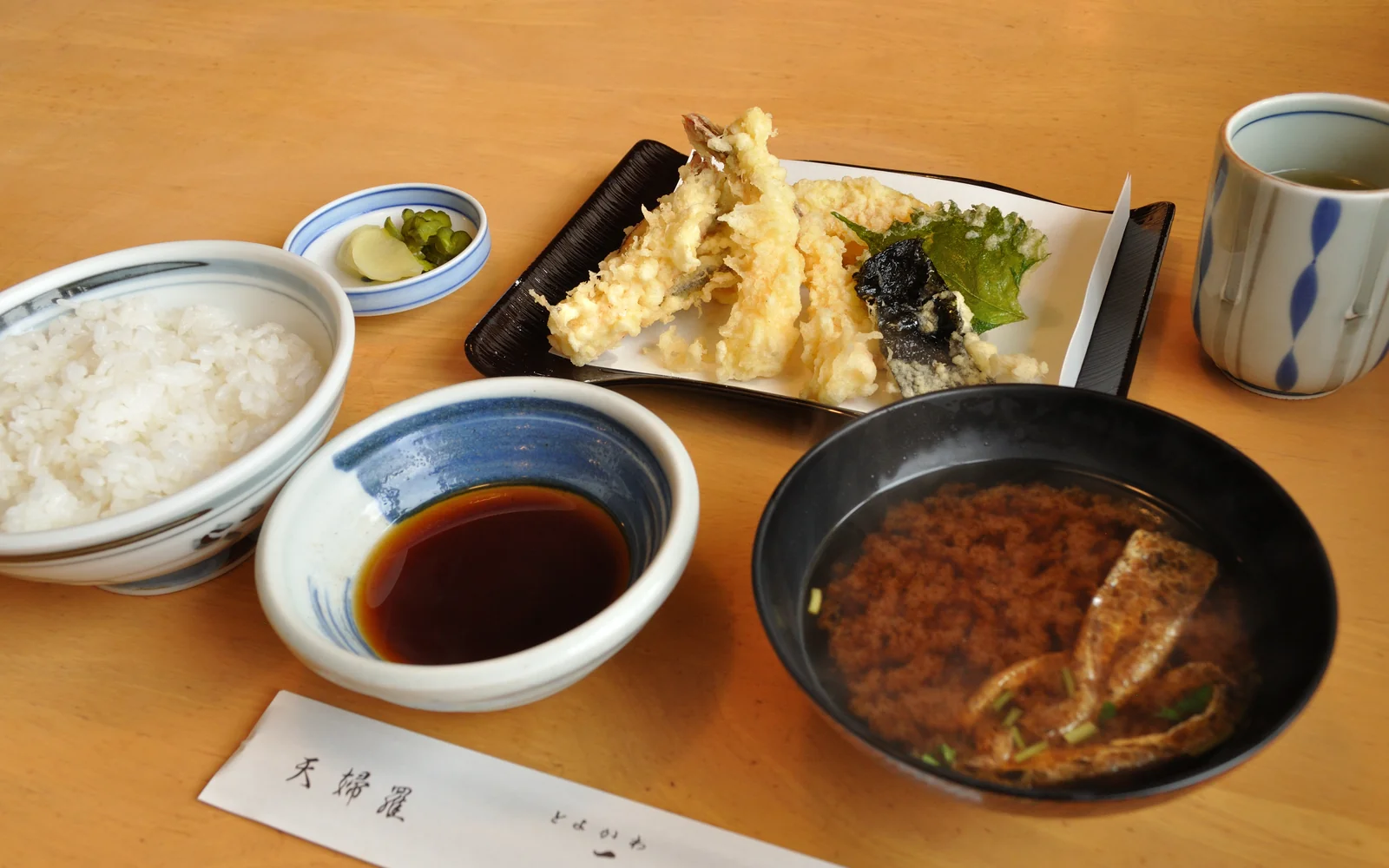
Artisan Tokyo tempura omakase assortment served on traditional washi paper with tentsuyu broth and condiments

Tokyo Tempura Shokunin and the Apotheosis of Sesame Oil — «Ageru wa musu nari», Frying Is Steaming from Within, the Instantaneous Aesthetics of 180°C, and a Master’s Counter Manners

To take a seat at a Tokyo tempura counter is to become witness to a very brief interval in which heat alters the expression of an ingredient. Oil at around 180°C is not itself boiling. Water in the batter and the ingredient brought into it vaporizes, becoming innumerable bubbles that make the movement of heat visible. Batter is not an airtight membrane but a porous structure that dries while allowing steam to escape, regulating the rate at which moisture within is lost. The gentle flavor of Taihaku, cold-pressed unroasted white sesame oil, and the roasted fragrance of Taiko, deep-roasted sesame oil, meet a batter designed from ice-cold water and hakurikiko soft flour in a low-gluten, non-elastic matrix. The shokunin reads doneness through sound, bubbles, and the resistance felt in the hand. At that intersection lies both the poetry and the science of «Ageru wa musu nari» — frying is steaming from within.

Read the storyAll places in Tokyo
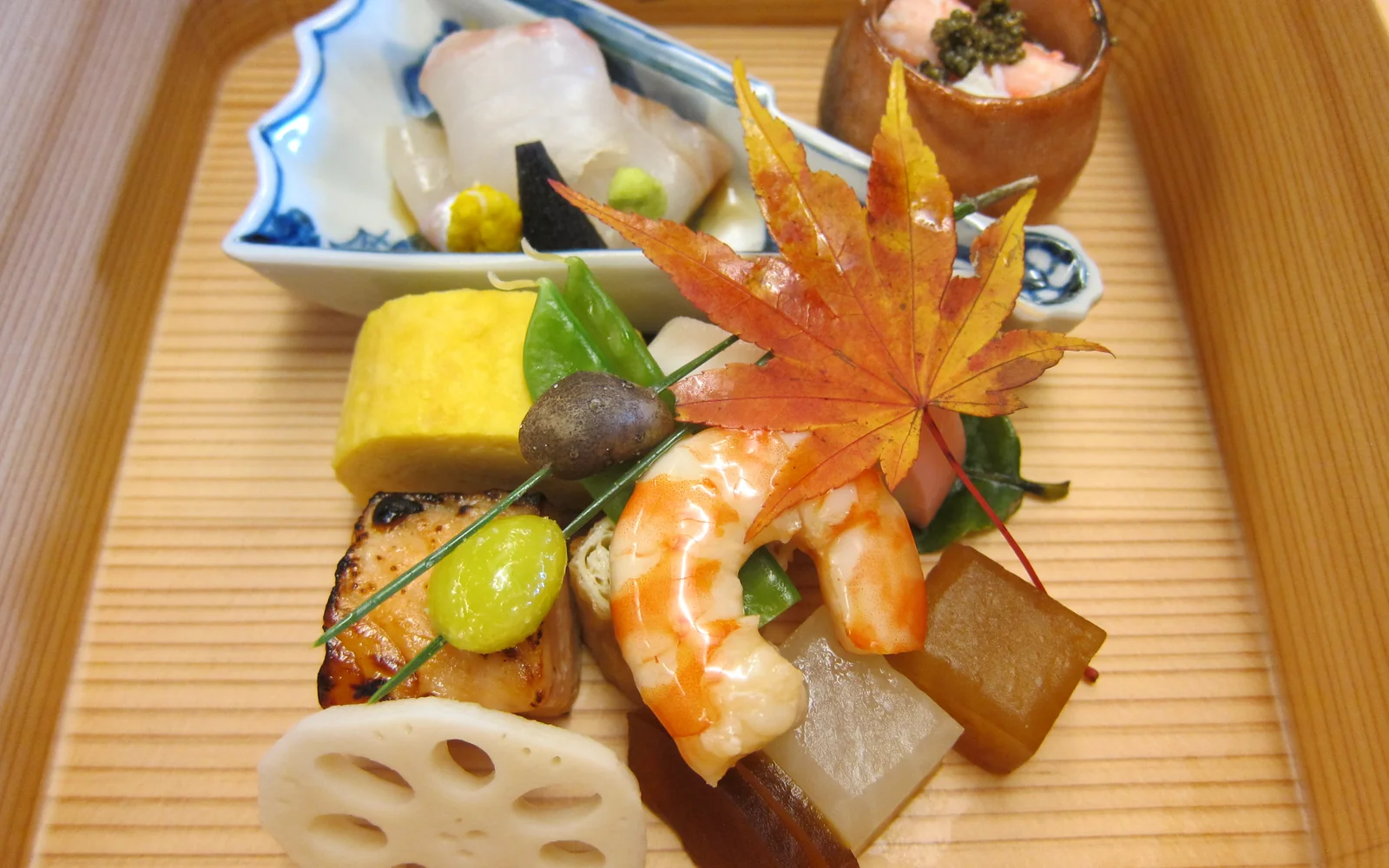
Exquisite Kaiseki dining banquet showcasing artisan seasonal courses and heirloom lacquerware

The Aesthetics of Tokyo Kaiseki and Kappo — Seasonal Kaiseki, the Essence of Dashi, and the Highest Art of Counter Dining

To taste Tokyo Kaiseki and Kappo is to read the time that has gathered beyond a single bowl. There is the restraint cultivated by the tea ceremony, and the ingenuity of Itamae cuisine that spread from the Kamigata region. Following these two currents, we explore the philosophy of dashi joined by kombu and dried bonito, the menu woven from hashiri, shun, and nagori, and the aesthetics of vessels and breathing space. At the pale-wood counters of Ginza and Kagurazaka, the sound of a knife and a brief exchange with the guest complete a meal that exists for one evening only.

Read the storyAll places in Tokyo
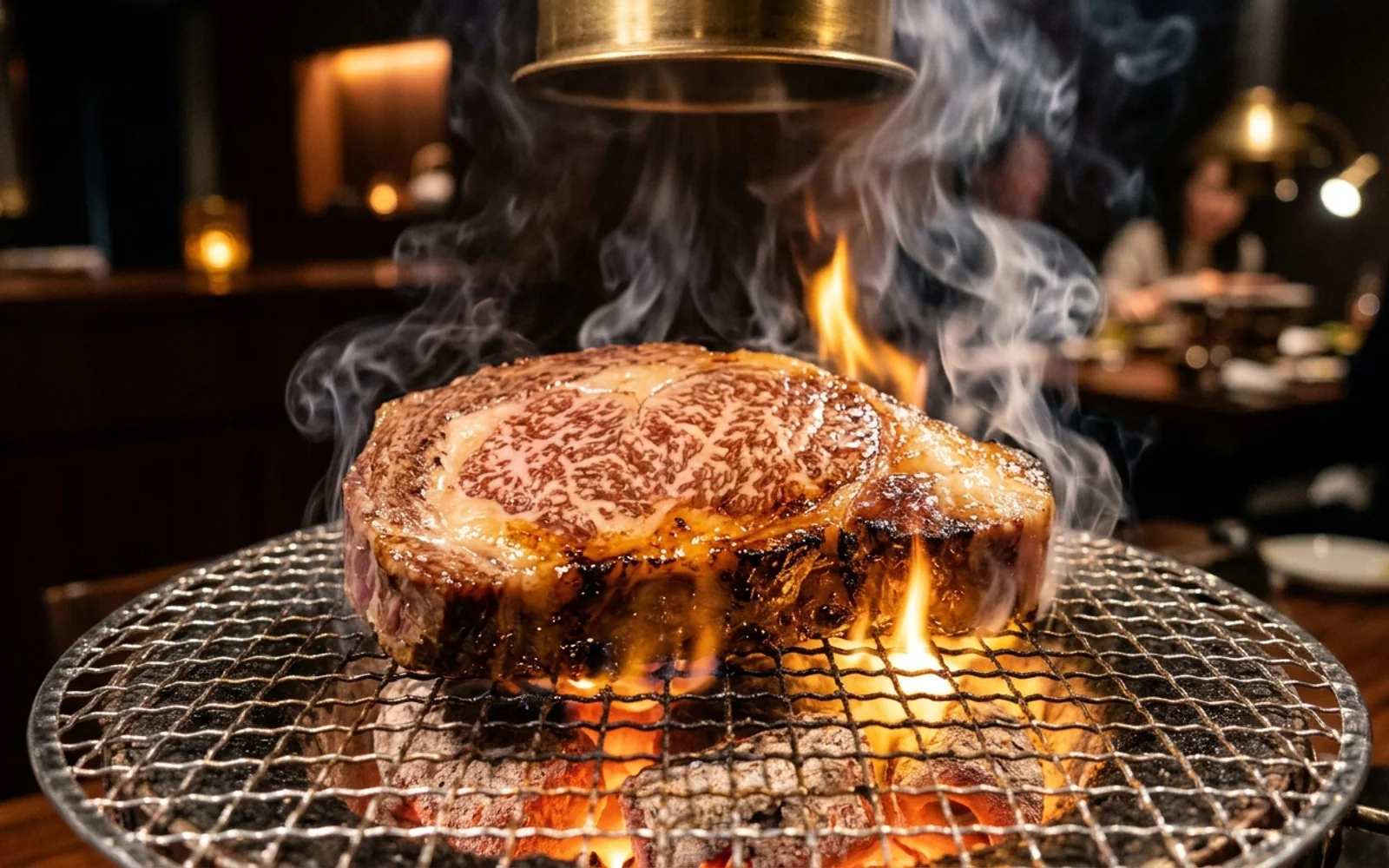
Master Wagyu steak searing over glowing Kishu Binchotan charcoal wire grill with smoke swirls

Tokyo’s Sanctuaries of Wagyu Yakiniku and Charcoal Counter Dining — Exceptional Kuroge Washu, the Anatomy of the Cut, and the Art of Tare and White Rice

From smoke-filled shichirin grill houses rooted in the alleyways of postwar Tokyo to the polished dining rooms of Aoyama and Ginza, where a dedicated grill attendant finishes each serving, Tokyo yakiniku has grown into an exacting culinary art. The food knowledge cultivated by Japan’s Korean communities remains one of its essential foundations. Follow the interplay of Kuroge Washu fat, the radiant heat of Binchotan charcoal, knife work informed by muscle grain, and tare with freshly steamed white rice, and a deeper philosophy emerges. Beyond grades and the names of rare cuts lies a sustained inquiry into how to make a single piece of beef taste its best.

Read the storyAll places in Tokyo
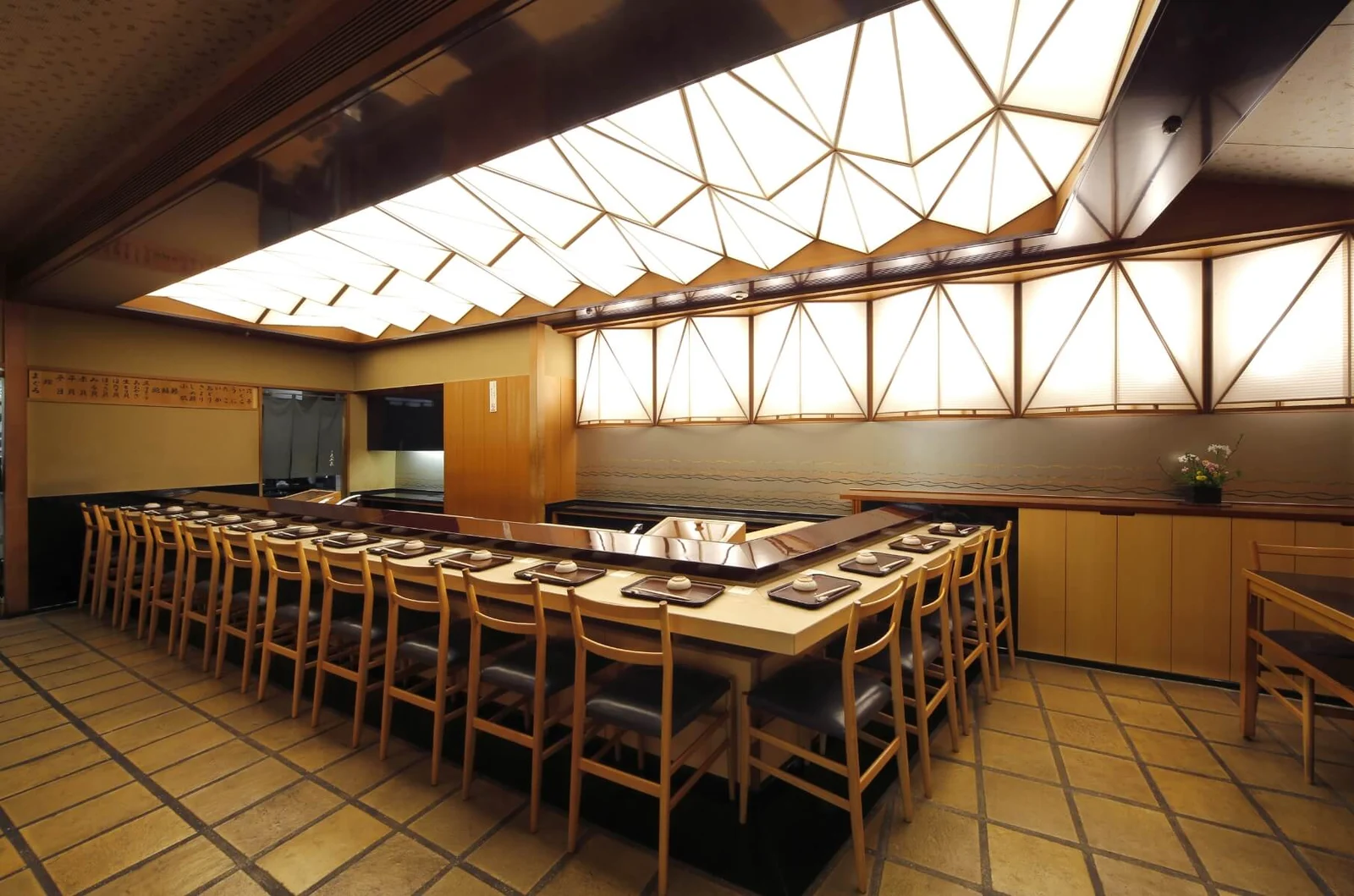
The interior of Kyubey at Hotel New Otani Tokyo THE MAIN, with wooden counter seating and chairs

Should You Reserve Restaurants in Tokyo?

There are meals you’re looking forward to and want to secure. But you may not want to decide when you’ll get hungry during a walk. Planning meals in Tokyo becomes much easier when you separate the restaurants to book from the ones you can choose on the day.

Read the storyAll places in Tokyo
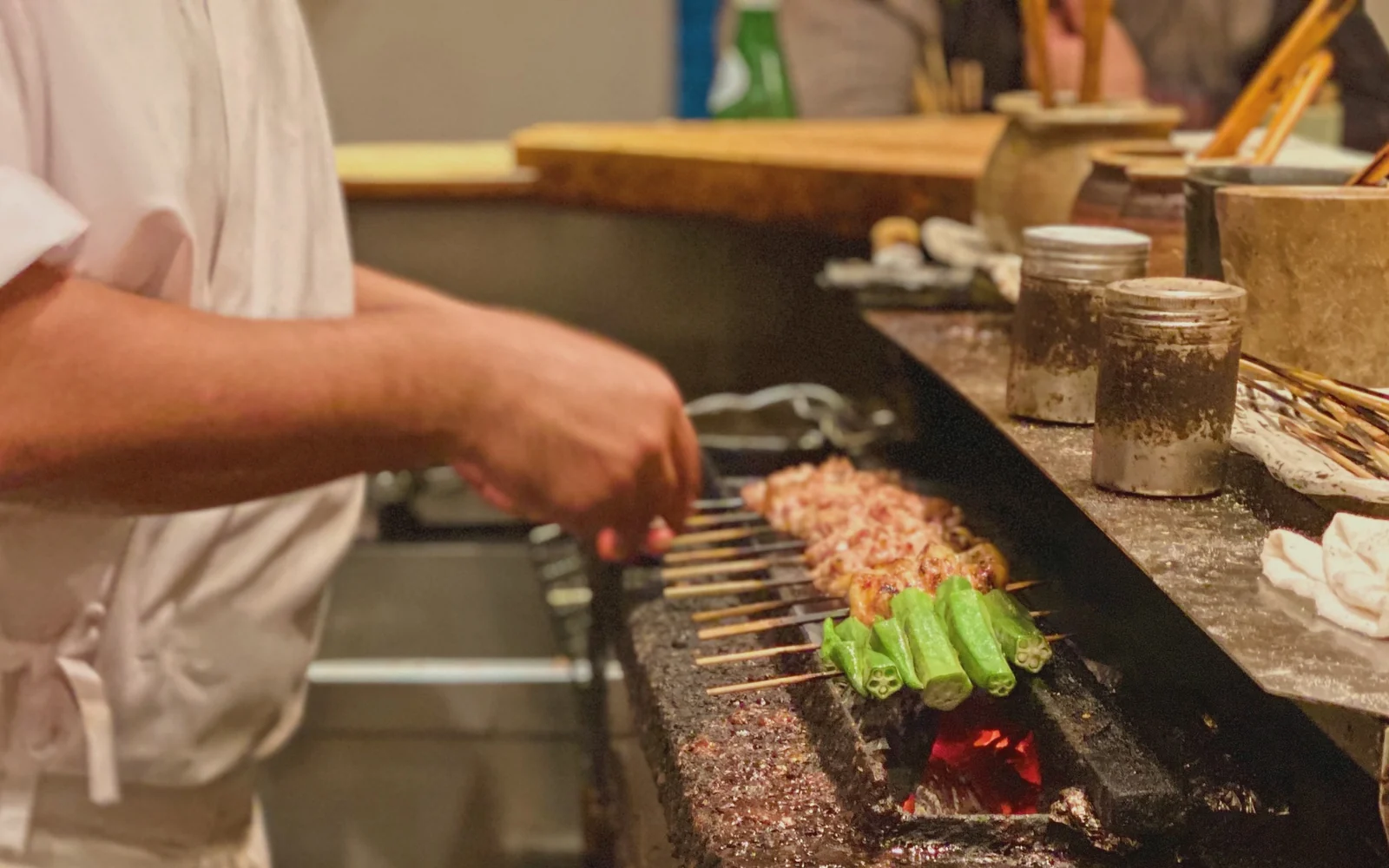
Master yakitori itamae fanning glowing Kishu Binchotan charcoal grill with chicken skewers sizzling

Tokyo Yakitori and Binchotan Sanctums — An Insider Blueprint to Kishu White Charcoal, Rare Chicken Cuts, and Counter Discipline

A sensory and technical monograph on Tokyo's elite yakitori institutions, tracing the craft from post-war salaryman street stalls to austere Michelin-starred omakase counters. Kishu white charcoal thermodynamics, single-millimeter skewering geometry, rare chicken anatomy, and decades-old tare glaze reductions reveal an artisan cuisine where fire and timing become high art.

Read the storyAll places in Tokyo
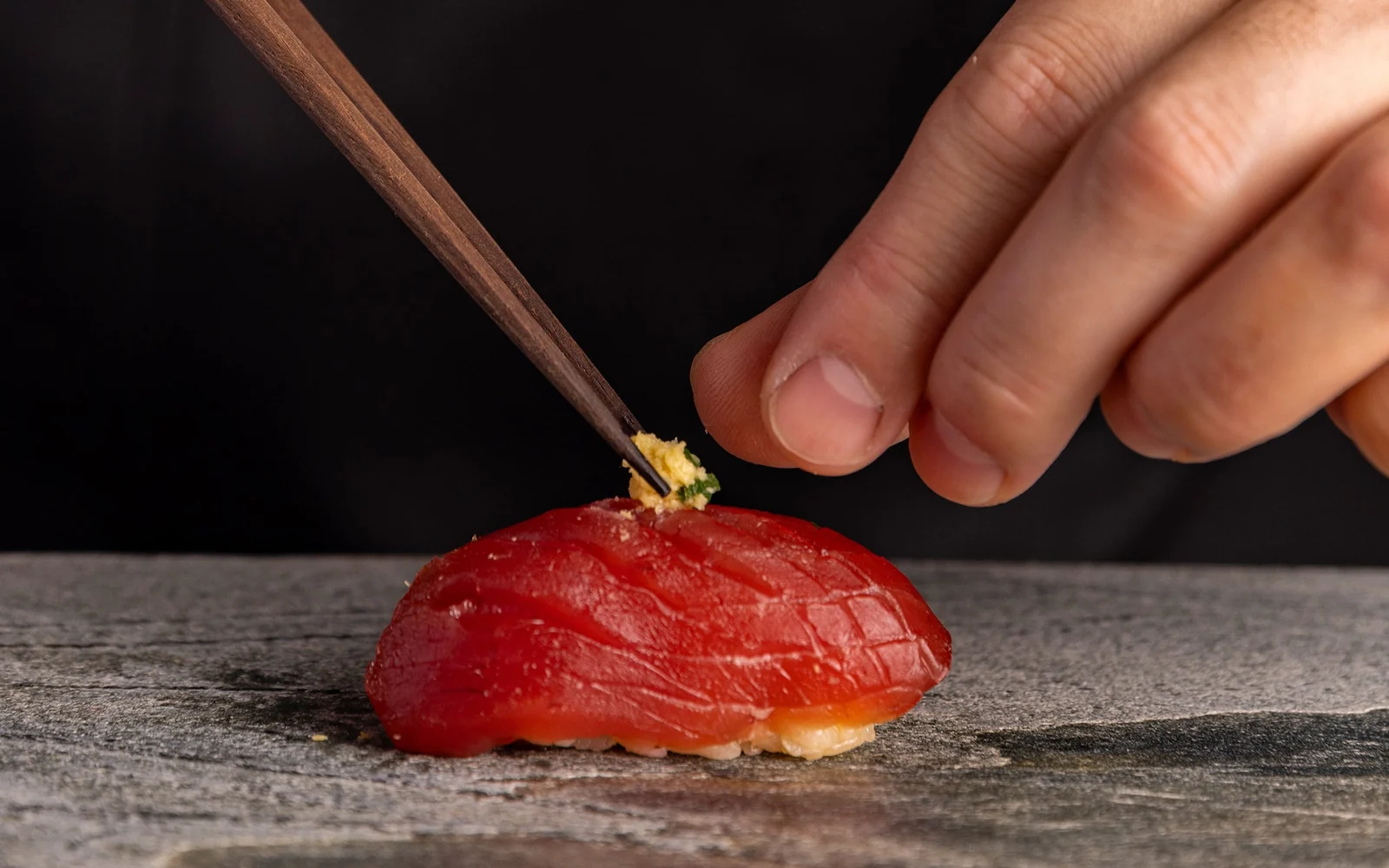
Master artisan Edomae sushi omakase nigiri course arranged on black urushi lacquer plinth at Ginza counter

Tokyo Edomae Sushi and Omakase Sanctums — An Insider Blueprint to Akazu Shari, Dry-Aged Tuna, and Hinoki Counter Codex

A sensory and technical examination of Tokyo's Edomae sushi institutions, tracing the craft from street-stall preservation to carefully controlled fish maturation. Sake-lees vinegar, warm rice, seasonal curing, and the choreography of the hinoki counter reveal a cuisine in which preparation matters as much as provenance.

Read the storyAll places in Tokyo
Information & sources
Tokyo Tempura Shokunin and the Apotheosis of Sesame Oil — «Ageru wa musu nari», Frying Is Steaming from Within, the Instantaneous Aesthetics of 180°C, and a Master’s Counter MannersThe zenith of Edomae tempura: ethereal featherlight batter flash-fried in boiling sesame oil, sealing the pristine natural moisture and essence of the season within a gossamer crust.
The Aesthetics of Tokyo Kaiseki and Kappo — Seasonal Kaiseki, the Essence of Dashi, and the Highest Art of Counter DiningThe sublime harmony of Tokyo Kaiseki: a seasonal feast celebrating the fleeting beauty of Japanese micro-seasons through pristine dashi, ceramic craftsmanship, and culinary restraint.
Tokyo’s Sanctuaries of Wagyu Yakiniku and Charcoal Counter Dining — Exceptional Kuroge Washu, the Anatomy of the Cut, and the Art of Tare and White RiceThe sacred heat of Tokyo yakiniku: prime A5 Kuroge Washu marbled beef searing over 1,000°C Binchotan charcoal embers on a classic wire mesh grill.
Should You Reserve Restaurants in Tokyo?The chair-seating counter at Kyubey, Hotel New Otani Tokyo THE MAIN. The official information lists 15 seats.
Tokyo Yakitori and Binchotan Sanctums — An Insider Blueprint to Kishu White Charcoal, Rare Chicken Cuts, and Counter DisciplineThe sacred alchemy of Tokyo yakitori: an artisan chef fanning Kishu Binchotan white oak embers, reaching 1,000°C of pure far-infrared radiation that crisps the exterior while locking in succulent juices.
Tokyo Edomae Sushi and Omakase Sanctums — An Insider Blueprint to Akazu Shari, Dry-Aged Tuna, and Hinoki Counter CodexAt an authentic Tokyo Edomae sushi counter, pristine nigiri pieces are served piece by piece, embodying two centuries of culinary discipline, rice temperature balance, and knife precision.
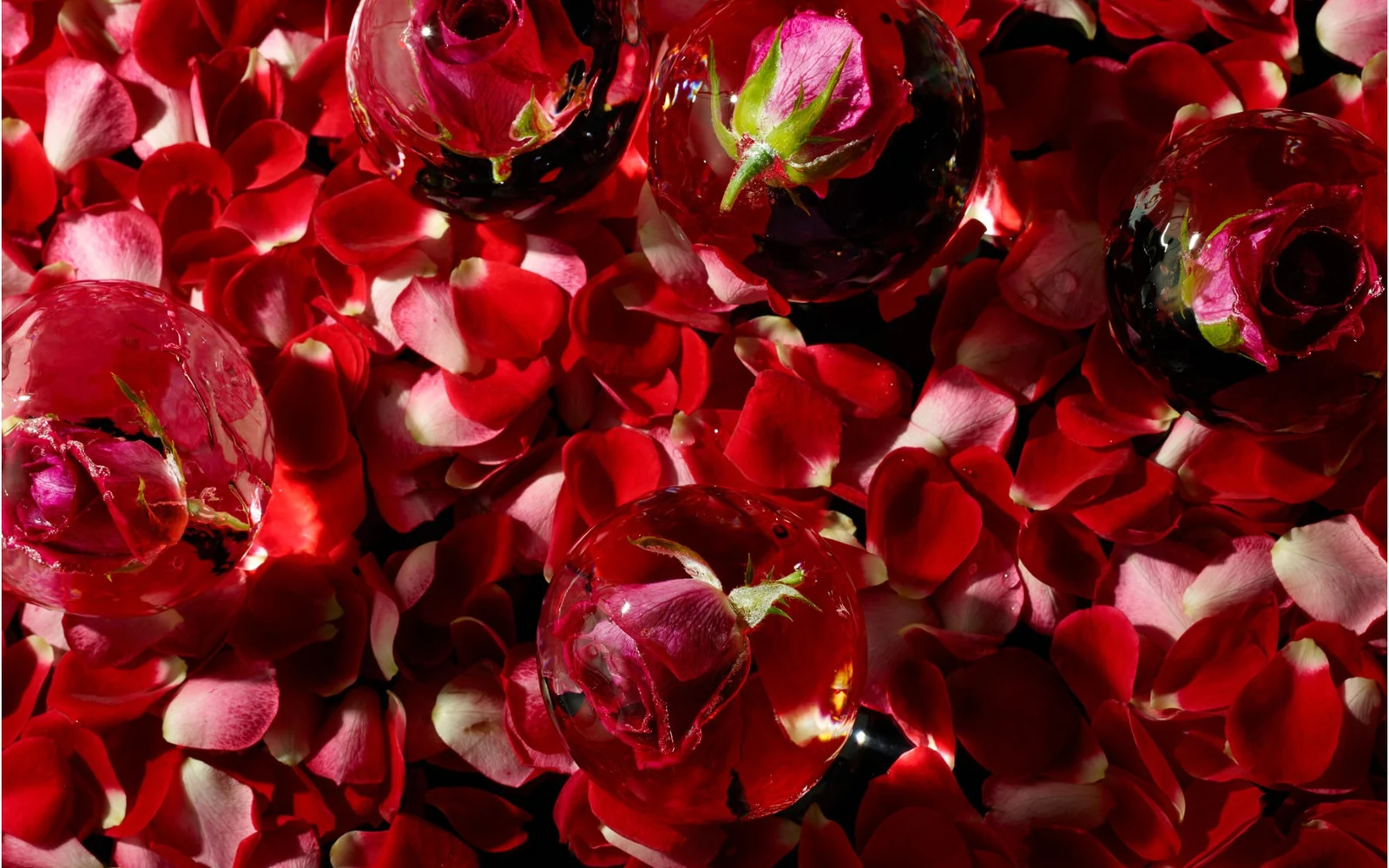
Tokyo Craft Cocktails and Speakeasy Sanctums — An Insider Blueprint to Ice Diamond Carving, Ginza Classics, and Botanical PotionsAt an intimate Tokyo cocktail counter, a masterfully crafted cocktail rests alongside pure handcrafted ice, illuminated by soft amber counter lights.
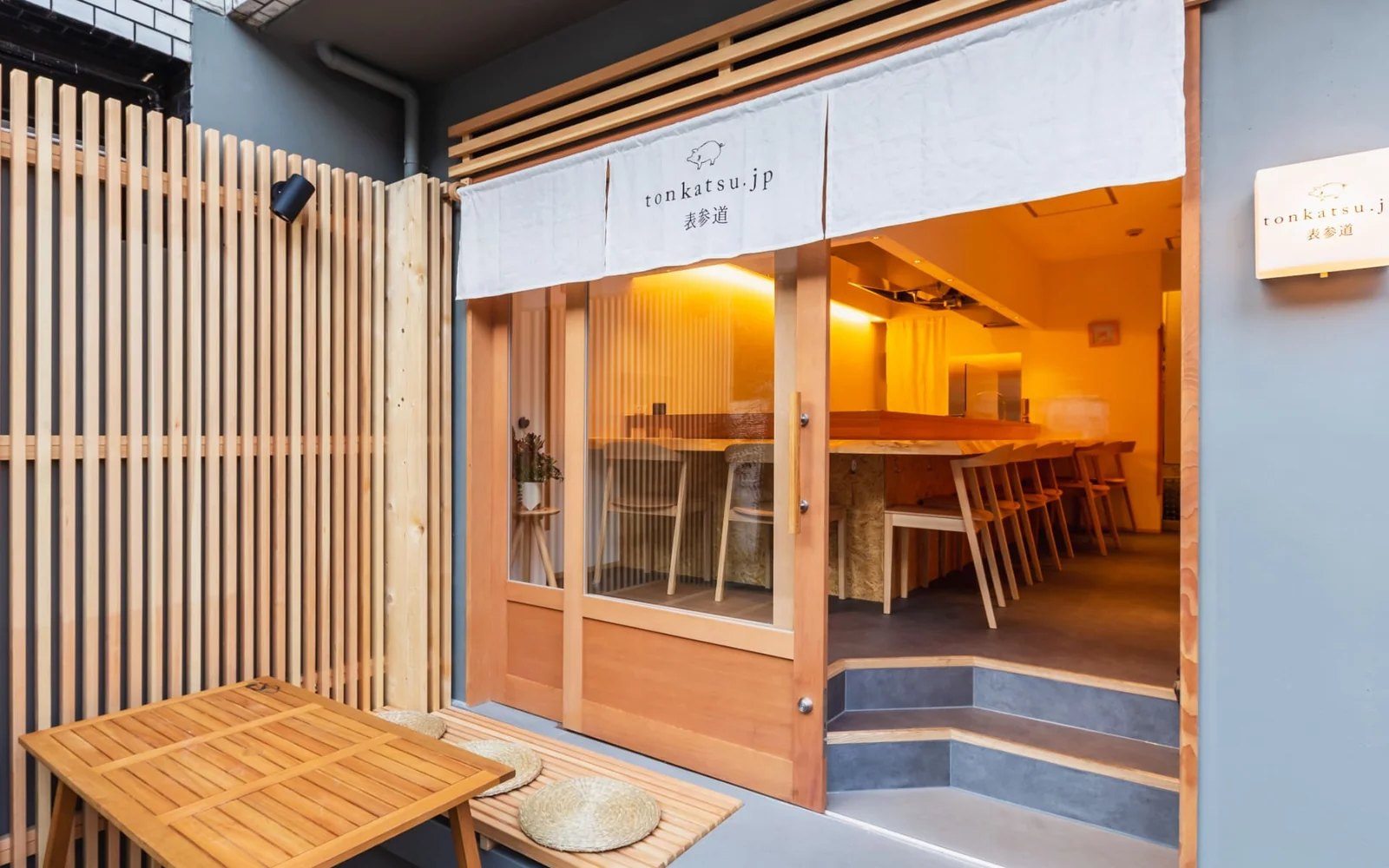
Tokyo Artisan Tonkatsu and Heritage Pork Blueprint — The Complete Guide to Low-Temperature Frying, Kurobuta Marbling, and Counter EtiquetteIn an intimate Tokyo tonkatsu sanctuary, a freshly sliced thick-cut heritage pork cutlet rests on a stainless cooling rack, accompanied by finely shredded cabbage, steaming Koshihikari rice, and red dashi soup.
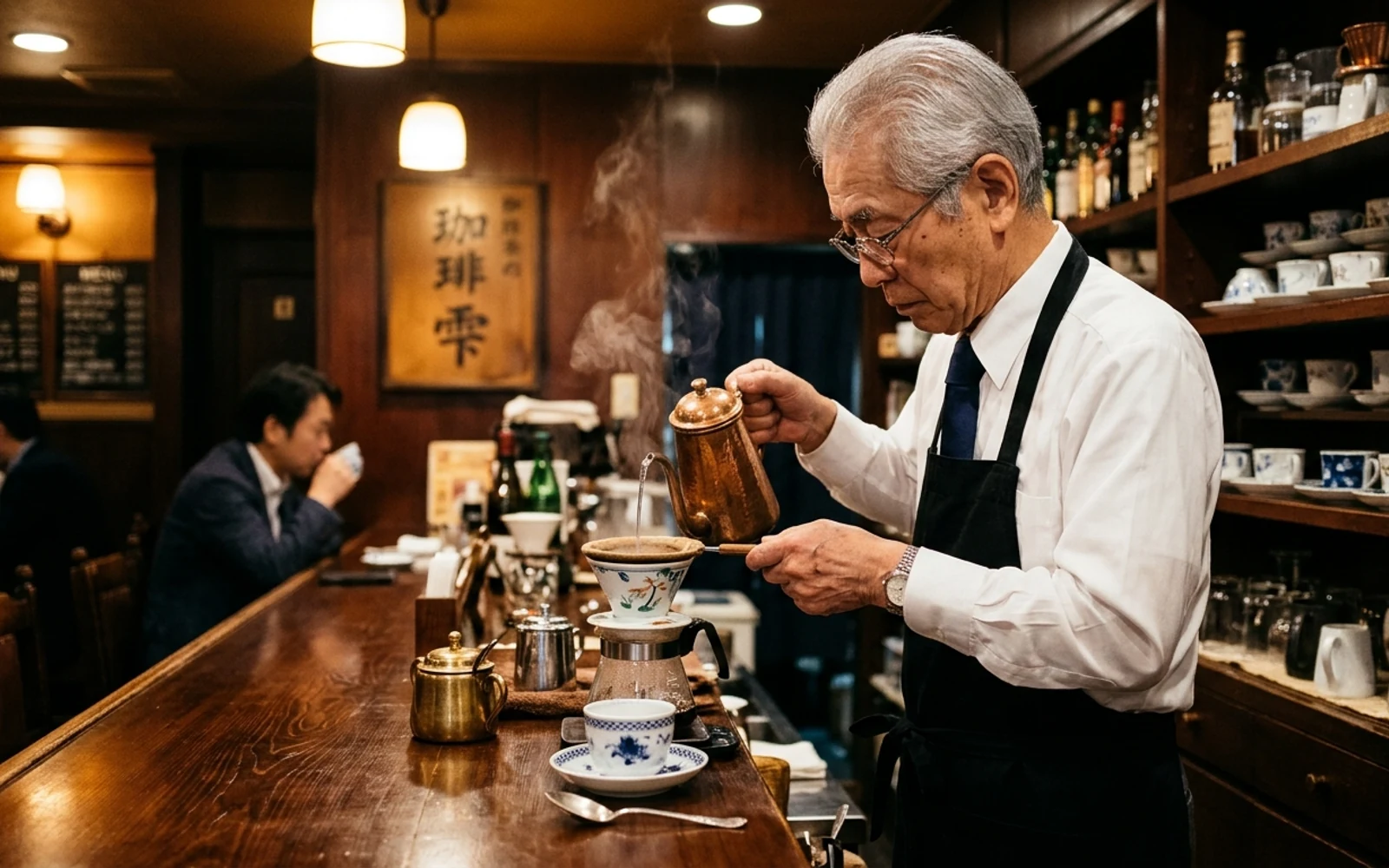
Tokyo Coffee and Roastery Blueprint — The Complete Guide to Historic Kissaten Sanctuaries, Third-Wave Roasters, and Counter EtiquetteIn the quiet amber light of a Tokyo kissaten, a master barista pours a deliberate stream through a flannel nel drip filter, allowing the coffee to swell at its own unhurried pace.
Where to Stay in Tokyo — The Definitive Neighborhood Guide, Railway Hub Logistics, and District Living BlueprintTwilight panoramic vista from an elevated Tokyo hotel suite, framing the illuminated amber spire of Tokyo Tower over the sprawling metropolis.
A walk through ArashiyamaThe public bamboo path in Arashiyama. Photograph courtesy of JNTO.
Tokyo Craft Ramen Taxonomy — Secret Micro-Styles, Counter Chemistry, and the Cult of the BrothSacred Counter Sanctuaries — Hinoki cedar ramen bar in Tokyo ladling crystal-clear craft broth.
Tokyo Stationery — Precision Sanctuaries and the Art of the Analog MindGinza Itoya Flagship — Twelve floors of analog precision and paper craft on Ginza Dori.