Three Walks for Tokyo’s Fall Colors
Autumn Colors Just Beyond the Station
You don’t have to travel far to find autumn colors in Tokyo. Get off the subway, turn onto a side street, and suddenly the sky brightens above you. A walk beneath the yellow leaves at Jingu Gaien on a sunny day, or a quiet moment by a pond at Shinjuku Gyoen National Garden, can both fit into half a day. If you’re only free in the evening, plan your visit for a night when Rikugien Gardens is open.
The ginkgo trees at Jingu Gaien and Shinjuku Gyoen National Garden have a connection: according to Meiji Jingu Gaien, the seeds for the avenue’s trees came from trees at Shinjuku Gyoen in 1908. The avenue was planted in 1923. There’s no need to rush between both places in one day, but spotting similarly shaped leaves on separate visits can make Tokyo’s autumn feel a little closer.
Late November Is the Guide for Tokyo in 2026
In its third forecast, issued November 4, the Japan Meteorological Corporation predicted that both Tokyo’s ginkgo leaves and autumn foliage would reach their peak around the end of November. Use this as a guide when choosing a date.
- Forecast for peak ginkgo color
- Around November 29
- Forecast for peak Japanese maple color
- Around November 30
These are forecasts for Tokyo as a whole. They don’t mean that every tree along the avenue at Jingu Gaien or throughout Rikugien Gardens will peak at the same time. Foliage changes depending on sun exposure and tree variety. If you’re traveling from out of town, start by considering late November, then check recent photos and foliage updates for your chosen location the day before your visit.
Foliage updates for Tokyo’s metropolitan parks are scheduled to be available from November 12 to December 21. The National Parks Association of Japan shares highlights from Shinjuku Gyoen National Garden. Even after fewer leaves remain on the branches, yellow leaves on the ground and fallen leaves on the water may still be there. As the foliage reports change, you can change what you’re looking for, too.
Look Up at the Ginkgo Trees at Jingu Gaien in the Morning
Aoyama-itchome Station or Gaiemmae Station → avenue from the Aoyama-dori side → toward the Seitoku Memorial Picture Gallery
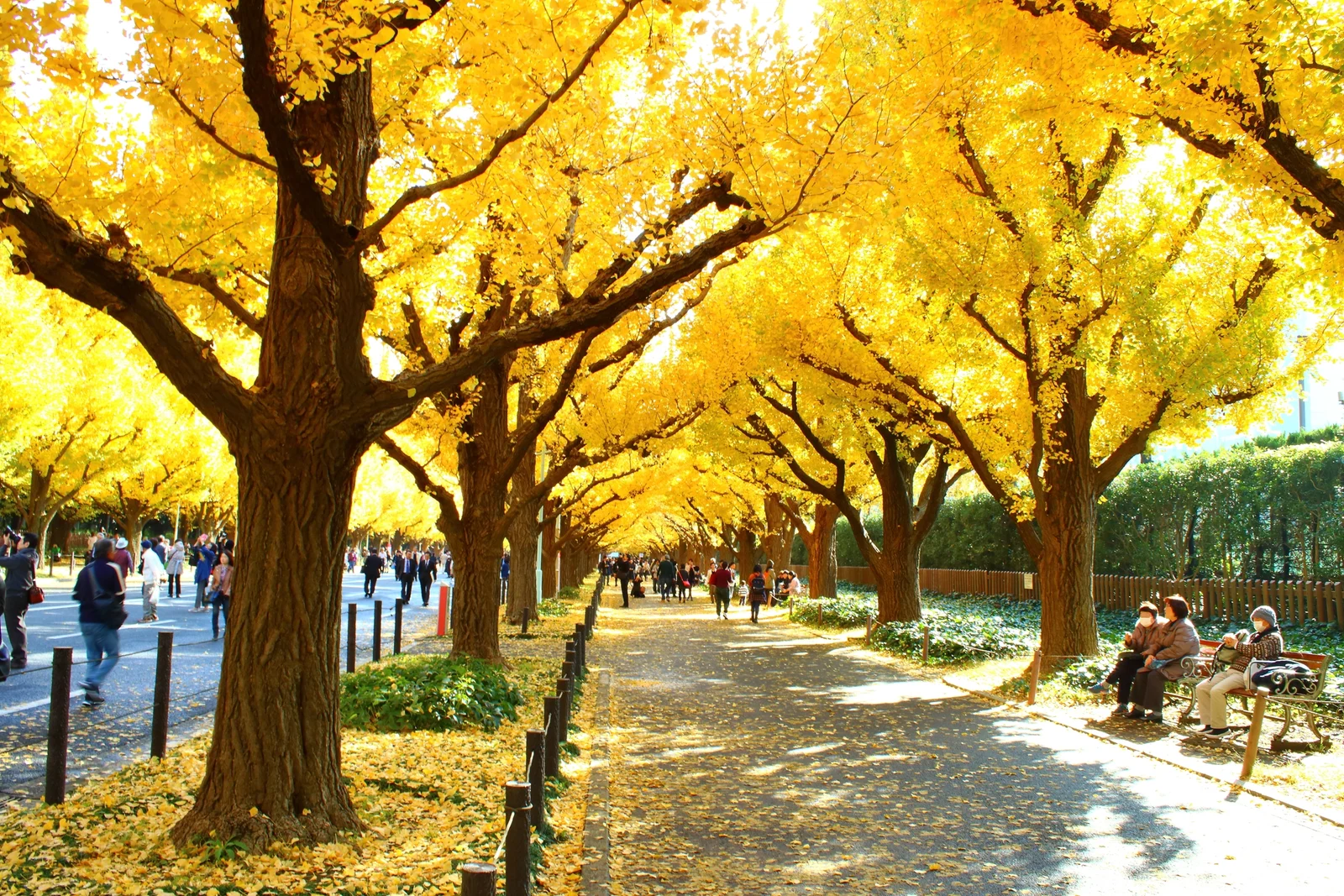
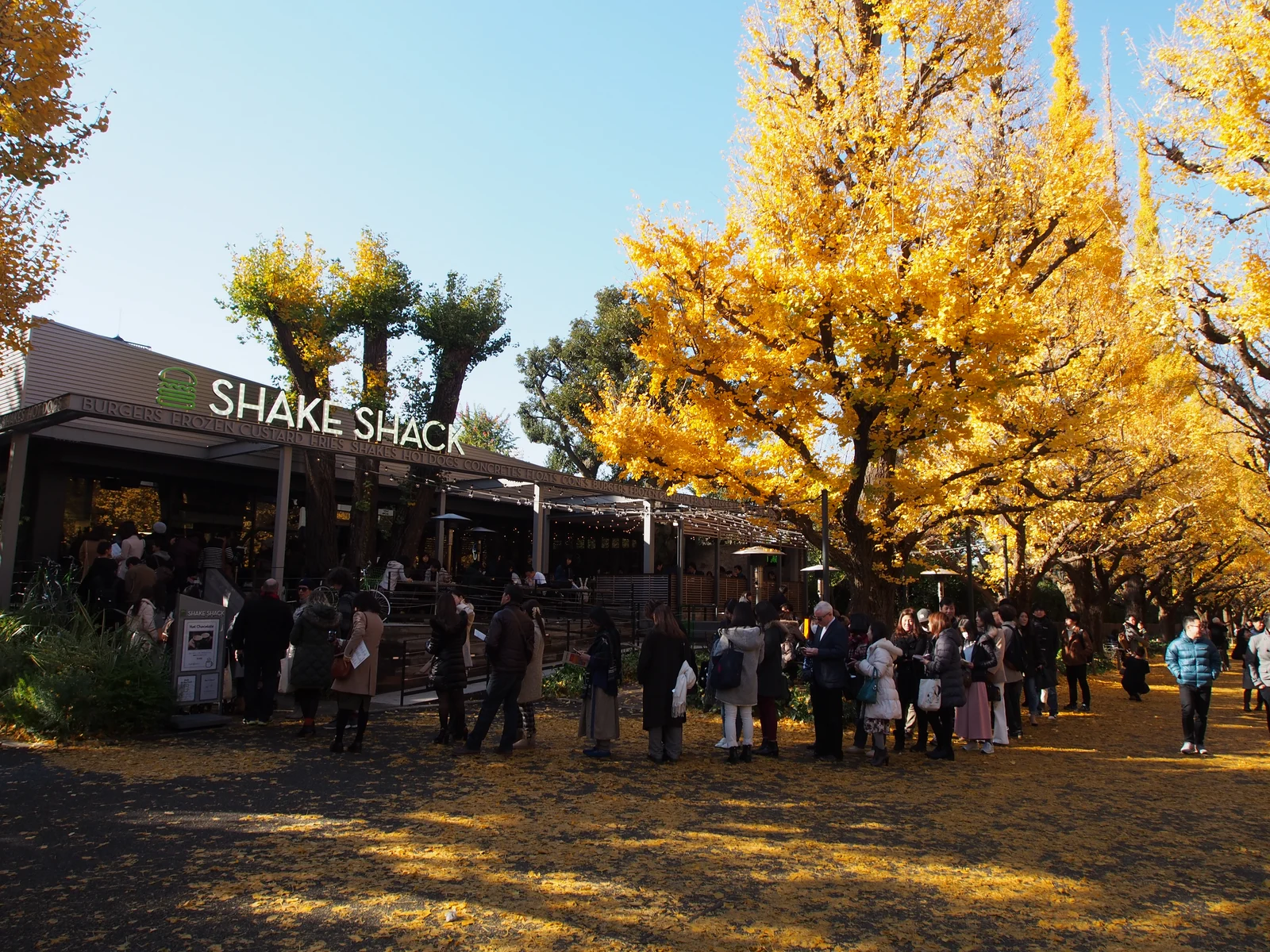
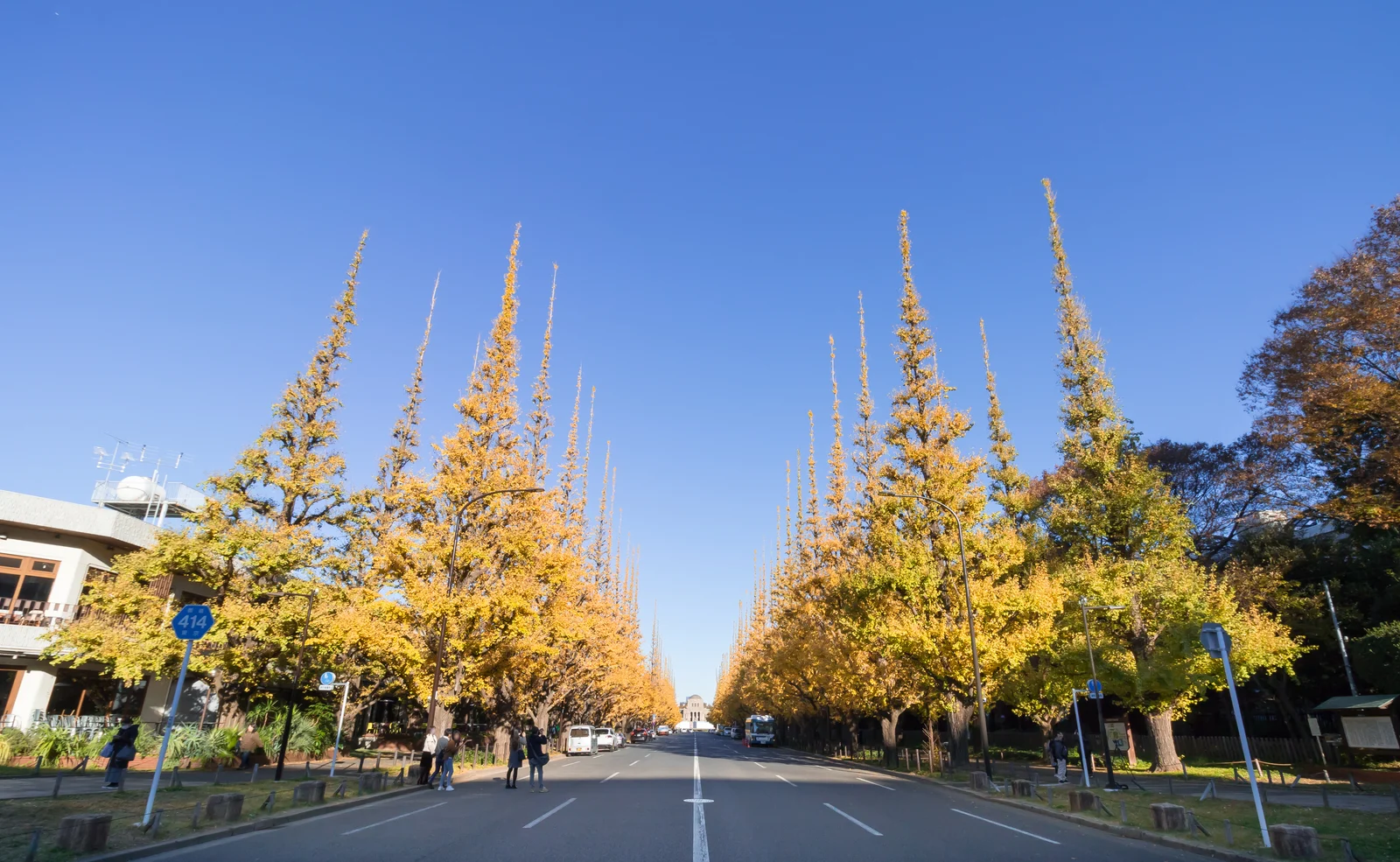
Head for the Jingu Gaien Ginkgo Avenue. It’s not the same place as the approach to Meiji Jingu Shrine. The avenue stretches about 300 meters from Aoyama-dori toward the picture gallery. Its trees are planted to create a sense of depth, using their height and the slope of the road. From the sidewalk, you can take in the trees on either side and the building in the distance.
On a sunny day, walk the avenue before lunch. First, stop somewhere with a view of the sky, then continue along the sidewalk and look up at the light shining through the leaves from beneath. Avoid taking photos in the roadway, and leave room for others when you stop. If it’s crowded, use a crosswalk to reach the opposite sidewalk. There’s no need to hurry to the end; one photo looking up along the way is plenty.
Wait for the Colors to Change by a Pond at Shinjuku Gyoen
Shinjuku Gate → Japanese Traditional Garden → ginkgo trees by the greenhouse → Okido Gate
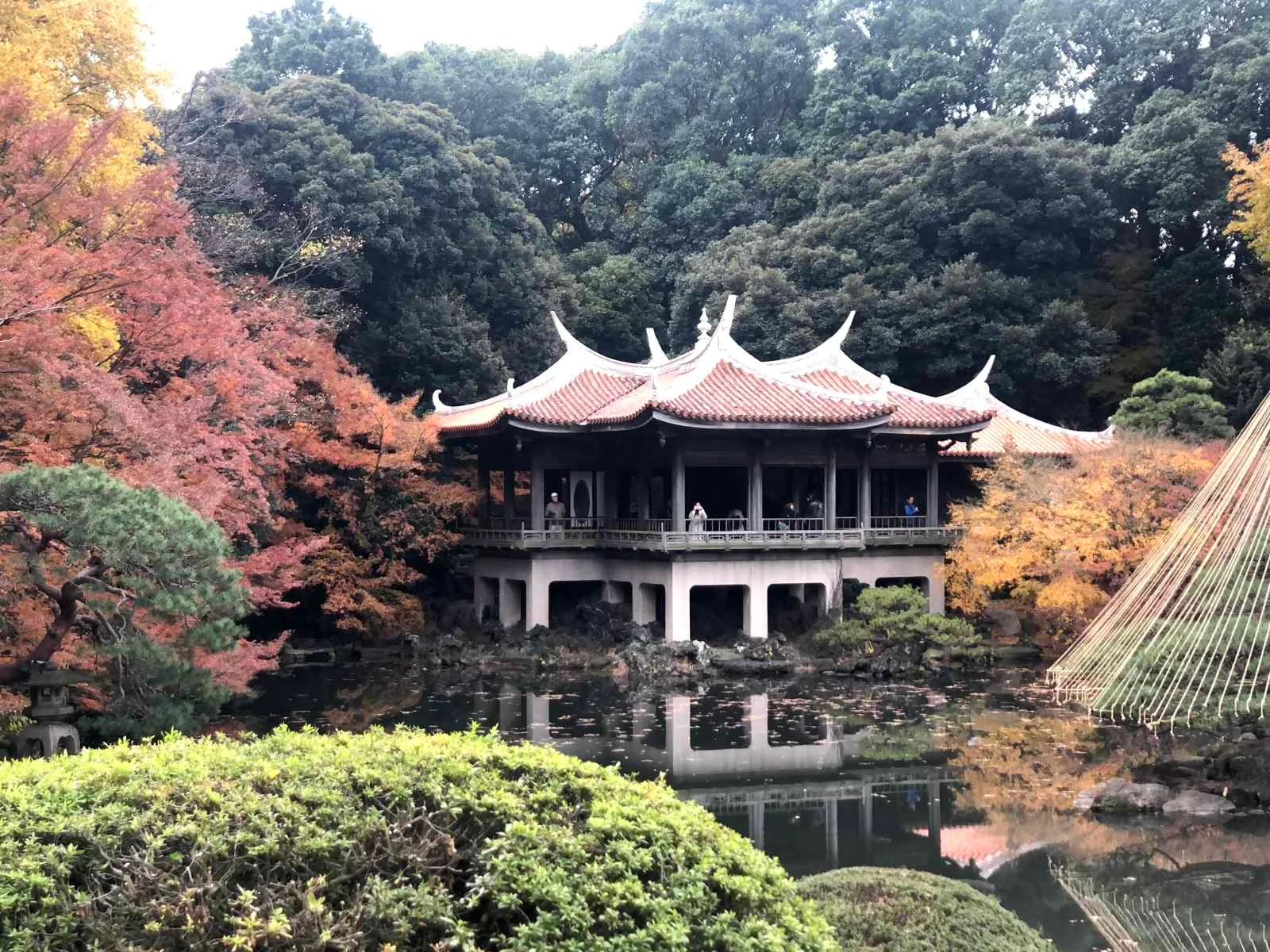
From Shinjuku-sanchome Station, it’s about a five-minute walk from Exit E5 on the Fukutoshin Line to Shinjuku Gate. Once inside, head to the Japanese Traditional Garden. Look beyond the maples to the opposite bank of the pond: the water and evergreen trees make the red leaves stand out. If you’d like to see more ginkgo trees, continue to the greenhouse and leave through Okido Gate. Okido Gate is about a five-minute walk from Exit 2 of Shinjuku-gyoenmae Station.
The National Parks Association of Japan’s usual guide puts the ginkgo trees by the greenhouse at mid-November to early December, and maples in the Japanese Traditional Garden and around Lower Pond at late November to mid-December. The London plane trees in the Formal Garden are usually at their best from mid- to late November; even a path covered in brown leaves makes a lovely walk. If you want to linger by the pond, add one more stop based on what’s changing color.
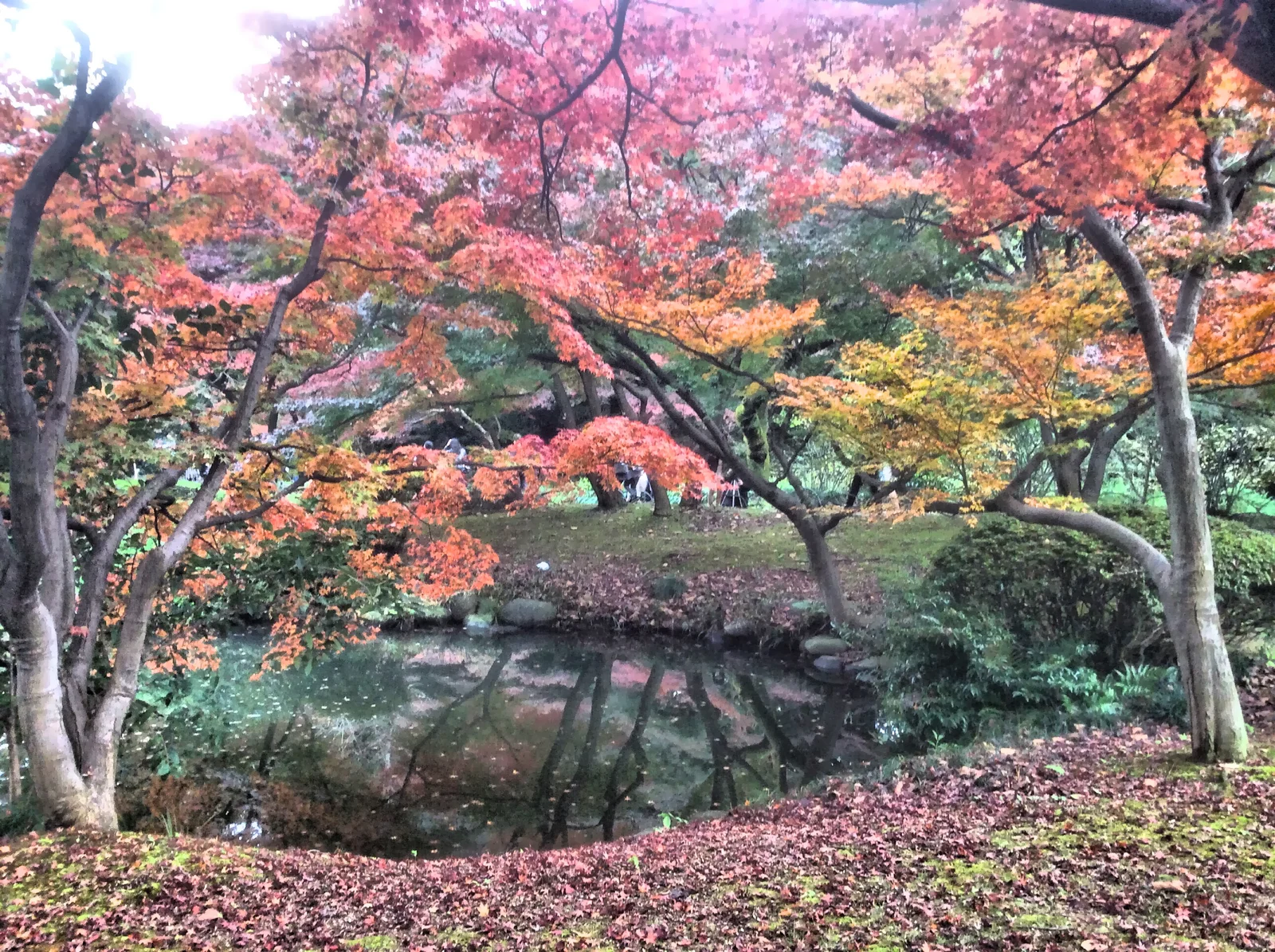
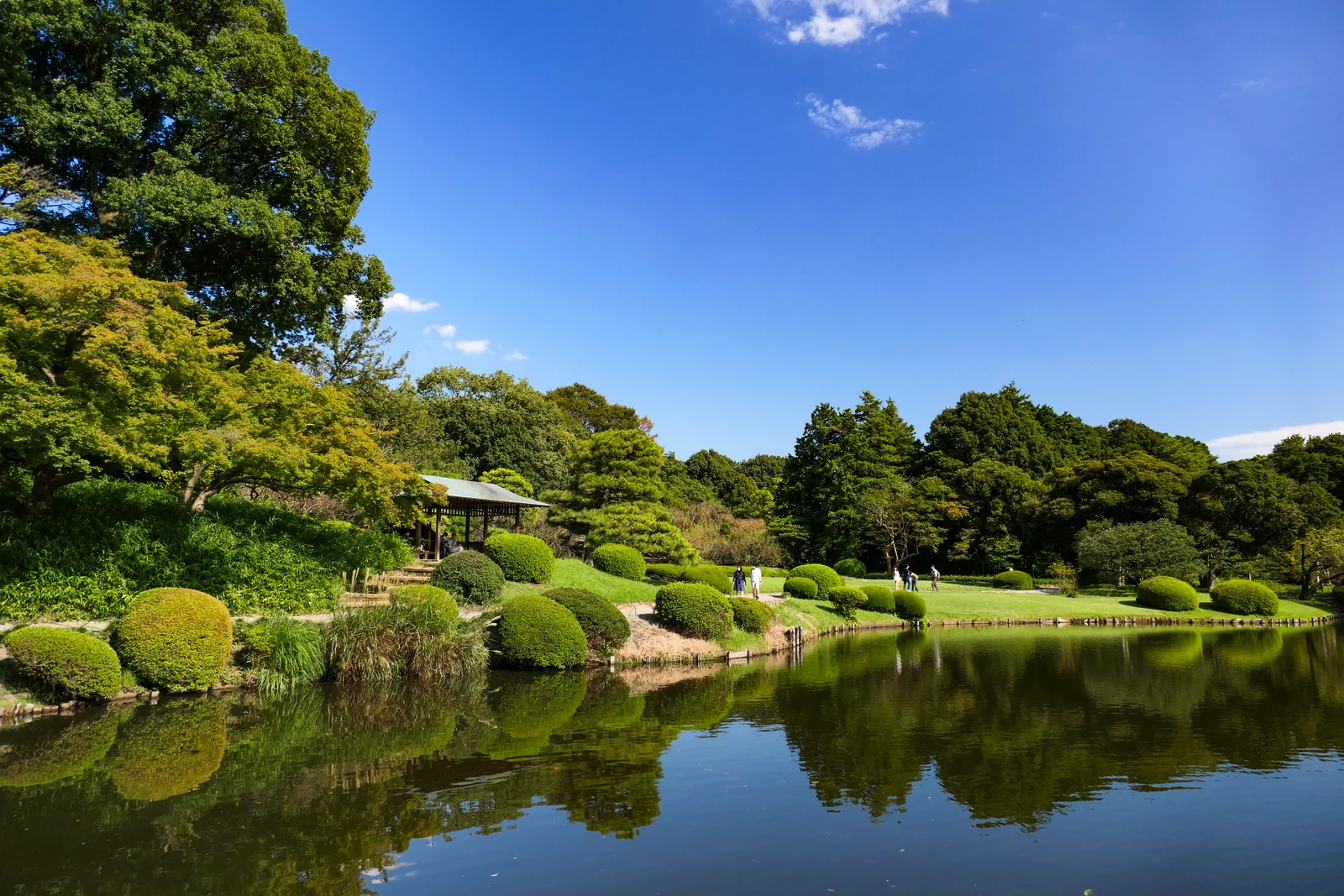
Autumn hours are 9 a.m.–4:30 p.m., with last entry at 4 p.m. General admission is ¥500. Visitors aged 65 and over and students in high school or above pay ¥250. Junior high school students and younger visitors enter free. The garden usually closes on Mondays, or the next weekday if Monday is a public holiday. It opens daily through November 15 for the Chrysanthemum Exhibition. The garden opens on the November 23 holiday and closes on November 24.
Remember the Daytime and Nighttime Gates at Rikugien Gardens in Komagome
Komagome Station → Someimon Gate during daytime opening days / Main Gate for special nighttime viewing
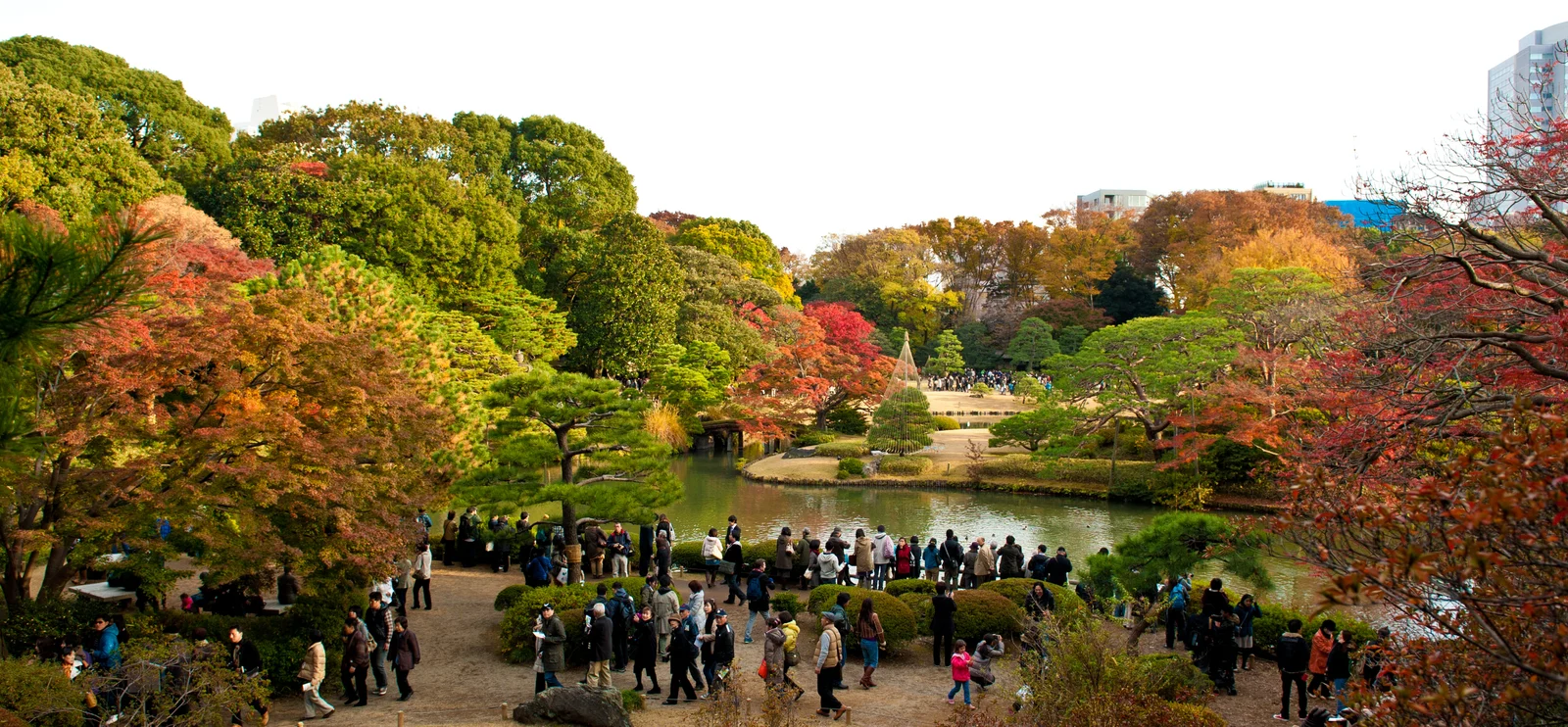
Daytime hours at Rikugien Gardens are 9 a.m.–5 p.m., with last entry at 4:30 p.m. General admission is ¥300. Someimon Gate, about a two-minute walk from the JR Komagome Station south exit, opens during the day from November 21 through December 6 and on December 12 and 13, 2026. Leave time to circle the pond while it’s still light. The Main Gate is the entrance for nighttime viewing.
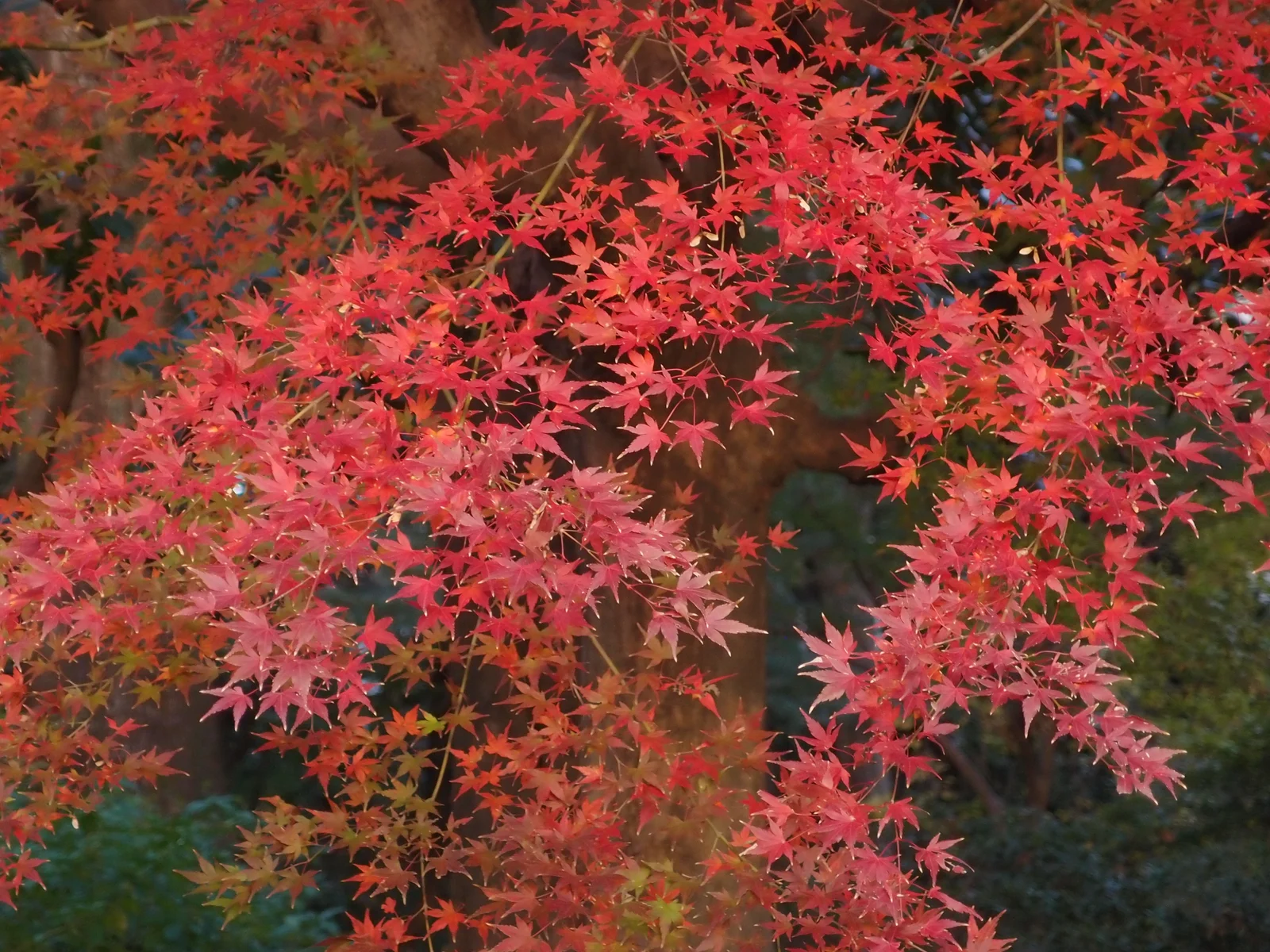
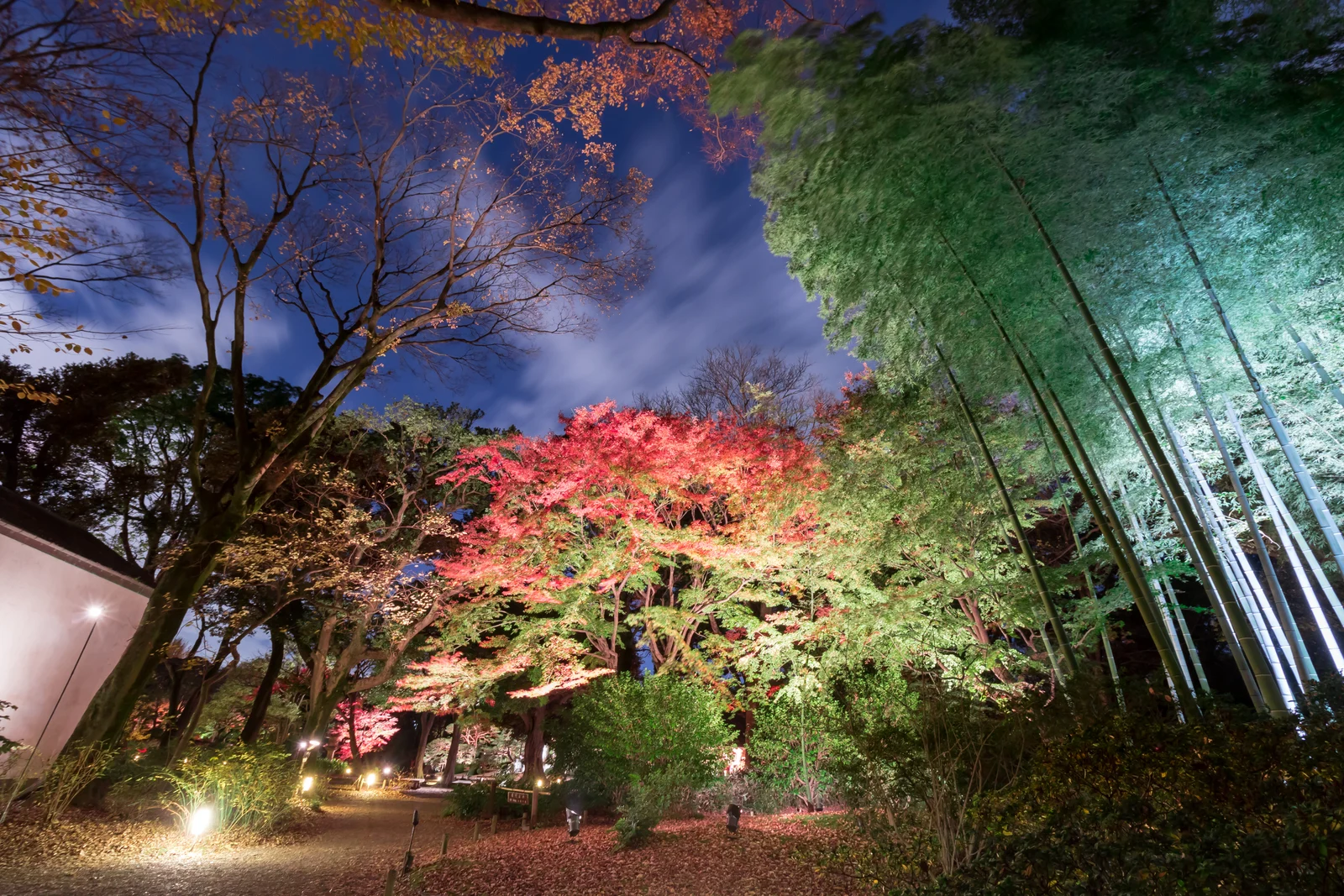
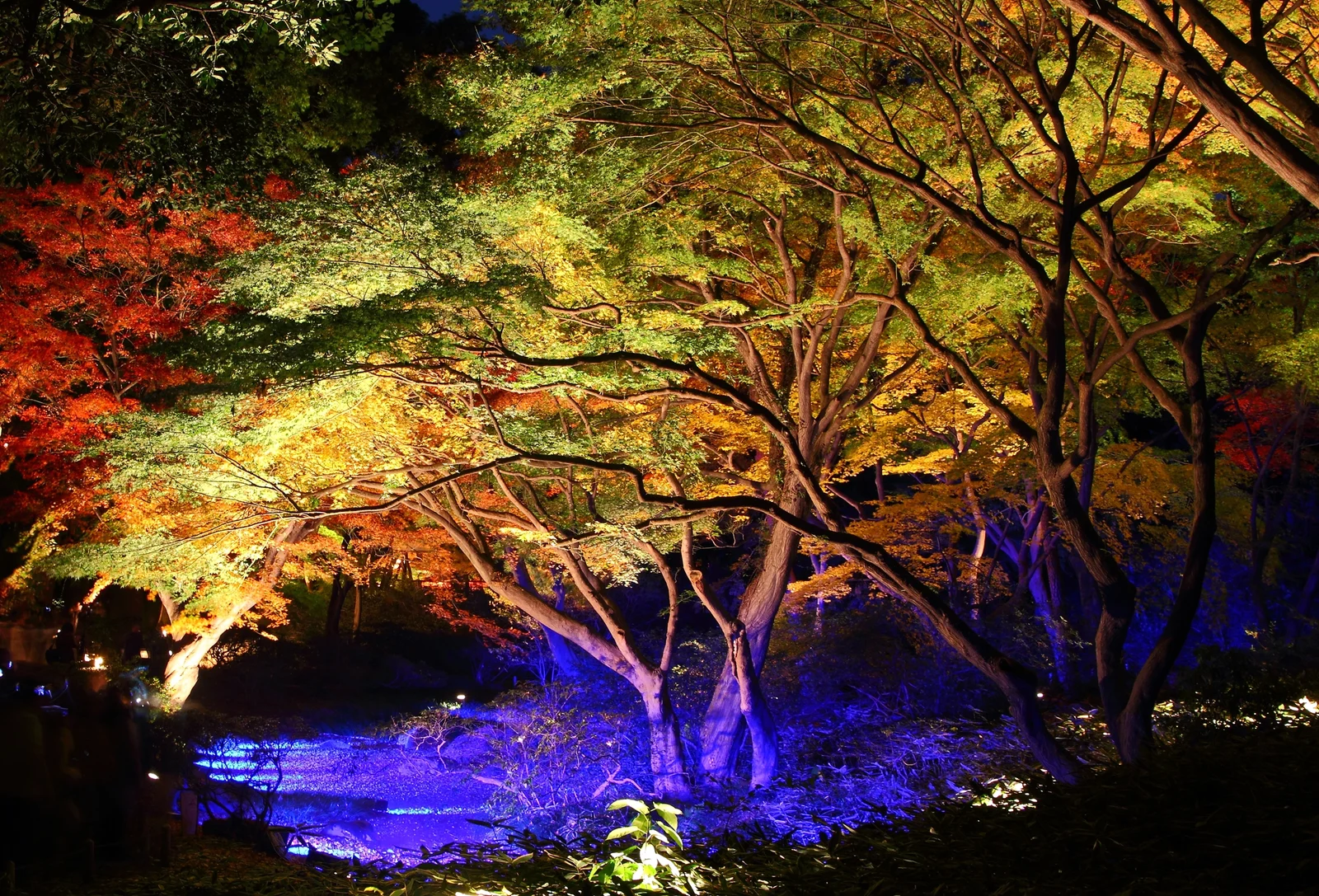
Special nighttime viewing runs November 25 to December 6, from 6:00 to 8:30 p.m., with last entry at 7:30 p.m. Regular daytime opening ends at 5:00 p.m.; a separate ticket is required for entry at night. Enter through the Main Gate, and leave through either the Main Gate or Someimon Gate. Some garden paths are restricted after dark, so follow the route provided that evening. You can stop and admire the light reaching the water without getting close to the pond’s edge.
Date-specific advance tickets for junior high school students and older visitors cost ¥1,000 online through the day before your visit. Same-day tickets cost ¥1,200 online or at the cash-only ticket window. Elementary school children and younger visitors enter free with a guardian who holds a night ticket. Open the ticket on your phone for staff to check at the gate. Screenshots and printouts aren’t accepted.

You don’t have to guess which day the leaves will be at their reddest. You’ll find a color you like along the way. Pick up something warm before you reach the station for your trip home. It’s nice to have a moment to warm your hands and think back to the trees you saw.
Official information and photo credits
Forecasts, opening days, admission prices and restaurant details were checked against information from the relevant venues and organizations. Photos are published under the respective licenses and resized and converted for the web.
- Japan Meteorological Corporation 2026 third forecast for peak autumn foliage and ginkgo color
- Tokyo Metropolitan Government information on foliage updates for metropolitan parks
- Tokyo Metropolitan Park Association foliage updates
- History and highlights of the Jingu Gaien Ginkgo Avenue
- JNTO guide to the Jingu Gaien Ginkgo Avenue
- National Parks Association of Japan guide to autumn foliage at Shinjuku Gyoen National Garden
- Shinjuku Gyoen National Garden foliage updates
- Ministry of the Environment admission information for Shinjuku Gyoen National Garden
- How to reach the gates of Shinjuku Gyoen National Garden
- Shinjuku Gyoen National Garden opening calendar
- Rikugien Gardens basic information and daytime admission
- Official Rikugien Gardens Autumn Leaves at Night special viewing site
- Information on days Someimon Gate at Rikugien Gardens is open
- Official listing for Shake Shack Gaien Icho Namiki
- Official menu for Rakutei Shinjuku Gyoen Muroya
- Café La Bohème Shinjuku Gyoen restaurant information
- Le Lutin Isogai restaurant and reservation information